
 Business License

What Buyers Should Confirm with the Manufacturer
Introduction
Industrial buyers often search for non-sparking tools, explosion-proof hand tools, ATEX equipment, and IECEx equipment at the same time. These terms are connected, but they do not mean the same thing. A clear product description helps buyers choose the right tool and avoid unsupported safety or certification claims.
1. Non-Sparking Is Not the Same as ATEX or IECEx
A non-sparking hand tool is usually a manual tool made from a non-ferrous alloy, such as aluminum bronze, copper-beryllium, bronze, or brass. It is designed to reduce the risk of an incendive spark when used correctly. It is not a guarantee of zero sparks or zero ignition risk.
ATEX is a European regulatory framework for equipment and protective systems used in potentially explosive atmospheres. IECEx is an international certification system based on relevant IEC and ISO standards. A tool should not be called ATEX-certified or IECEx-certified unless the claim applies to that exact product, scope, and intended use.
2. What Buyers Should Confirm with the Manufacturer
Before placing an order, ask the manufacturer to answer these questions in writing:
1. What is the exact model, alloy, and intended application?
2. Is the product a manual non-electrical tool, and which potential ignition sources have been considered?
3. Which hazardous area, zone, equipment category, or end-user requirement applies?
4. Which standards or assessment method support the technical claim?
5. Is the document a product description, declaration, technical-file statement, or third-party certificate?
6. Does the document identify the exact model and its limitations?
3. Relevant Technical Standards
IECEx references ISO 80079-36 and ISO 80079-37 for non-electrical equipment used in explosive atmospheres. These standards address the basic requirements and protection concepts such as constructional safety and control of ignition sources. The applicable standard must match the equipment being assessed.
A technical review may consider ignition sources including impact, friction, abrasion, hot surfaces, static electricity, and other conditions. Changing the alloy alone does not prove that a hand tool is suitable for every hazardous-area application.
4. Documents a Professional Manufacturer Should Provide
• Product specification and model identification.
• Alloy or material information and material certificates when required.
• Manufacturing and inspection information, including dimensional checks.
• Use, cleaning, inspection, storage, and maintenance instructions.
• Application limits and excluded uses.
• Relevant declaration, test report, or third-party certificate with its issuing body and scope.
5. A Better RFQ for Hazardous-Area Tools
Instead of writing only “explosion-proof tools,” separate the RFQ into product, technical, compliance, and commercial requirements:
• Product: tool type, size, quantity, and set configuration.
• Material: preferred alloy or acceptable alternatives with technical data.
• Application: industry, work task, contacting material, and hazardous-area conditions.
• Performance: fit, torque, impact duty, non-magnetic requirement, and corrosion resistance.
• Documentation: material records, inspection reports, instructions, and conformity documents.
• Commercial: sample policy, OEM marking, packaging, lead time, warranty, and quotation validity.
6. Common Mistakes to Avoid
• Treating non-sparking as completely spark-free.
• Assuming one certificate covers every size or product in a tool family.
• Using an electrical-equipment certificate for a non-electrical hand tool.
• Requesting ATEX or IECEx markings before confirming the applicable scope.
• Ignoring contamination, wear, tool fit, ventilation, gas detection, and site procedures.
• Publishing an “explosion-proof” claim that cannot be supported for the exact product.
Conclusion
A reliable hazardous-area tool supplier should explain the material, manufacturing process, application limits, inspection method, and available documentation. The safest purchasing rule is simple: use “non-sparking” as a product description where appropriate, and use ATEX or IECEx only when the exact product and assessment support the claim.
Frequently Asked Questions
Does every non-sparking tool need ATEX certification? Not necessarily. The requirement depends on the product, market, application, equipment category, and end-user compliance process.
Can non-sparking tools still create sparks? Yes. They can reduce the likelihood or energy of sparks under suitable conditions, but they do not eliminate every ignition risk.
What should an importer request first? Request model-specific specifications, material and inspection evidence, application limits, use instructions, and relevant conformity documents.
Official References
CCOHS: Non-sparking tools
IECEx: Standards for explosive atmospheres
DNV: ATEX non-electrical equipment
UL Solutions: Non-electrical equipment certification
Recently Posted
-
How to Choose Non-Sparking Hand Tools for Hazardous Areas
September 22, 2026Introduction: Why Tool Selection Matters in a Hazardous AreaIn oil and gas, petrochemical, chemical processing, mining, paint prod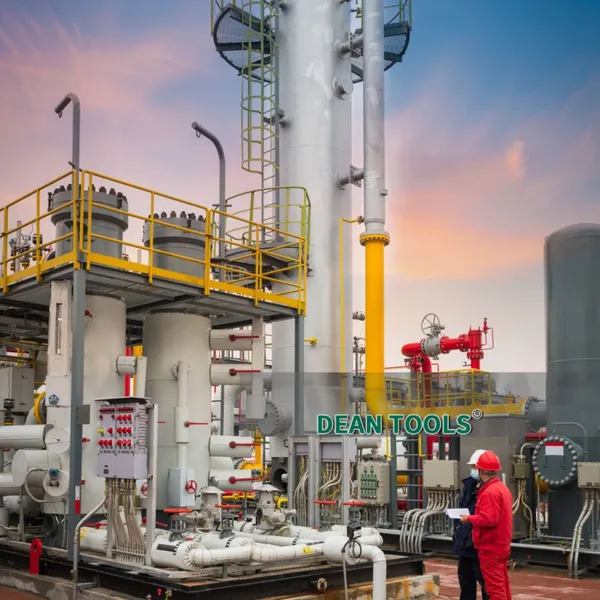 Read More
 -
Special Steel Striking Wrenches for Heavy-Duty Industrial Maintenance
September 20, 2026Meta Description: Learn how to select and use special steel striking wrenches for heavy-duty maintenance. Compare wrench prof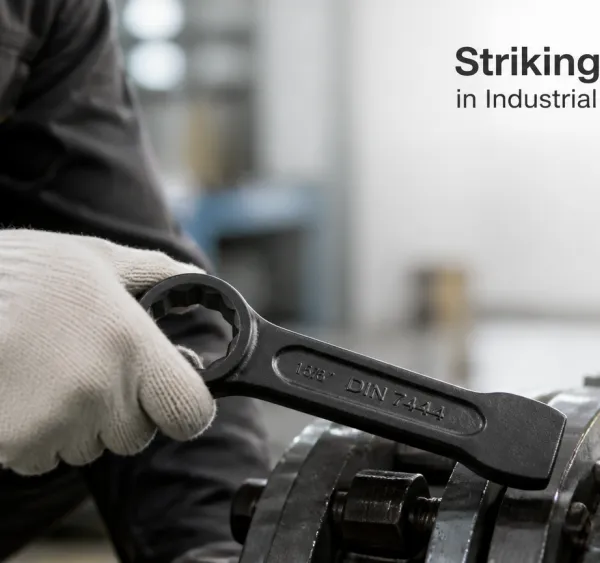 Read More
 -
What Makes a Steel Tool “Specialty”?
September 20, 2026specialty steel tools, industrial steel hand tools, , custom steel tools, heavy-duty hand tools Specialty Steel Tools: How Ma
Read More -
Non-Sparking Tools for Hazardous Work Areas: Materials, Applications, and Selection Tips
September 20, 2026-Meta Description: Learn how non-sparking tools support safer maintenance in potentially hazardous areas. Compare common materials Read More

Contact Us
Recommended Products
-
 Aluminum Bronze Non-Sparking Tool Set Manufacturer,Custom Safety Tools, Copper Alloy Non-Sparking Tools Kit | Safe Hand ToolsUS$ 500MOQ: 10 Sets
 -
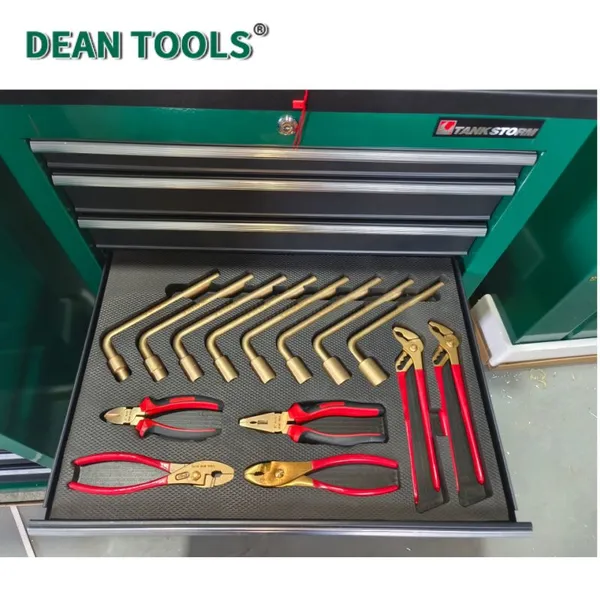
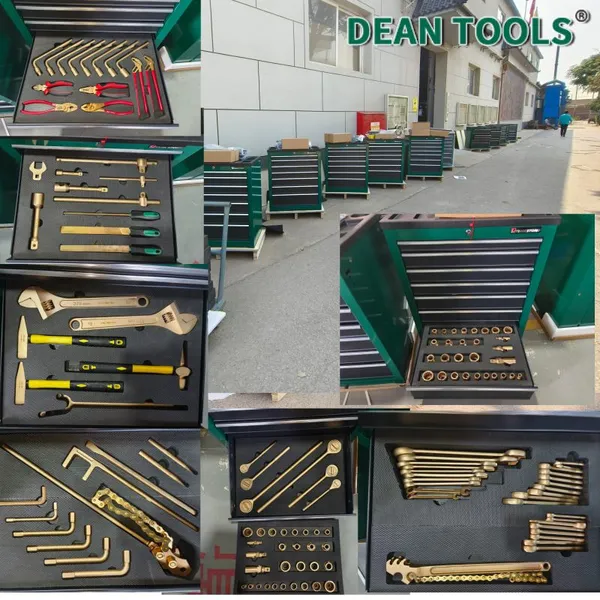
Non Sparking Tools Brass Scoop , Spark Proof Tools,DEAN TOOLS 113PCS Beryllium Bronze Non-Sparking Tool TrolleyUS$ 89 - 159MOQ: 1 Set
-
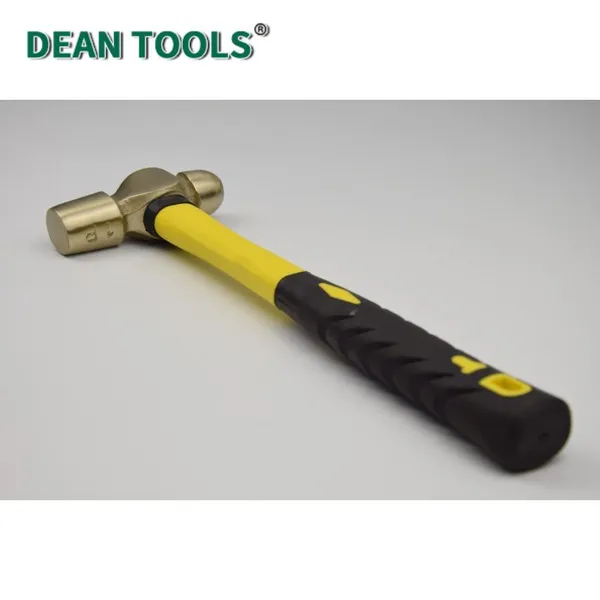
Non Sparking Ball Pein Copper Hammer\Industrial Hardware Tools\Explosion Proof Tools\Premium Copper AlloyUS$ 25.68MOQ: 10 Units
-
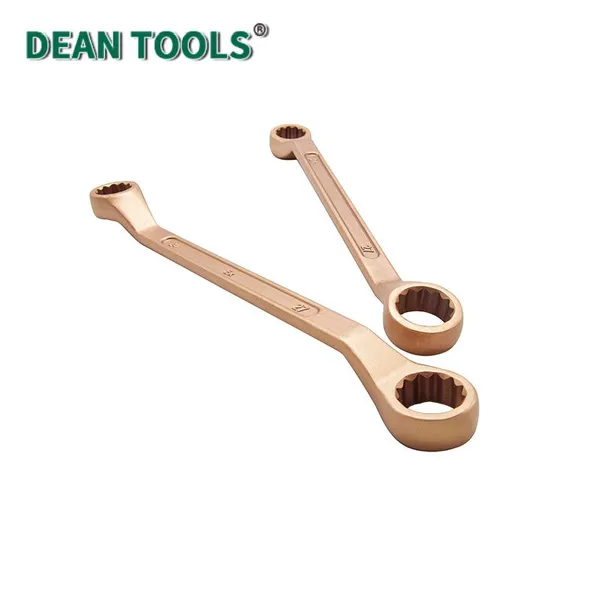
13-Piece Non-Sparking Double Box Offset Wrench Set, for Mining & Chemical Industry, Anti-Corrosion Coating,Size:5.5*7-30*32 mmUS$ 123MOQ: 10 Sets
-
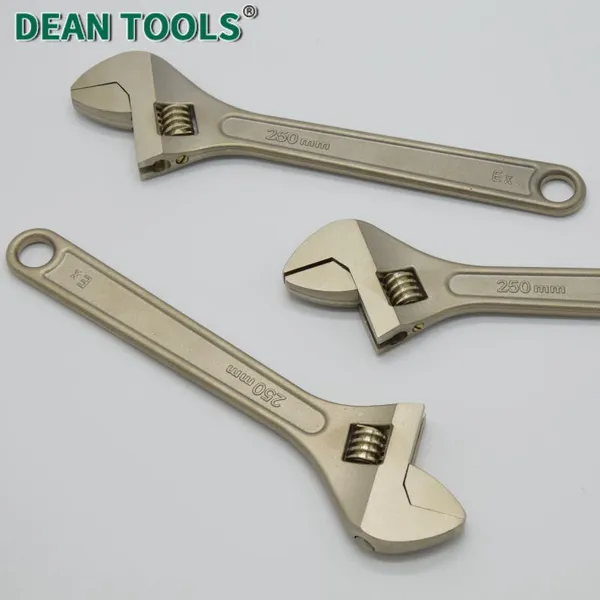
Non-Sparking Adjustable Wrench DEAN TOOLS Aluminum Bronze 6-Inch Natural Gas Pipeline Mining Operations SafetyUS$ 15MOQ: 10 Units
-
Non Sparking Beryllium Bronze Sledge Hammer With Fiber Handle 24P 18LBUS$ 39 - 520MOQ: 1 Piece
-
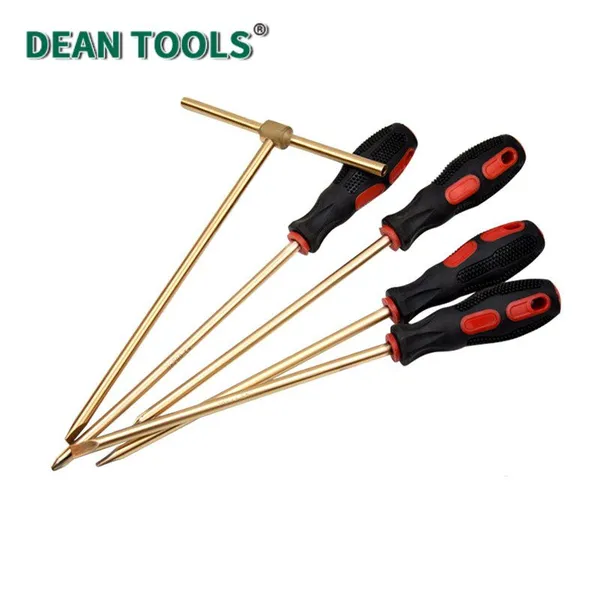
BERYLLIUM COPPER SCREWDRIVER SLOTTED FLAT NON SPARKING TOOLS 8*200MMUS$ 3.6 - 9MOQ: 1 Piece
-
Non Sparking Pipe Wrench Beryllium Bronze Stilson,tube Spanner American TypeUS$ 15 - 360MOQ: 10 Pieces
-
Sparkless be cu Joint Universal Wrench for Socket 1/2"*90mmUS$ 25 - 85MOQ: 1 Piece
-
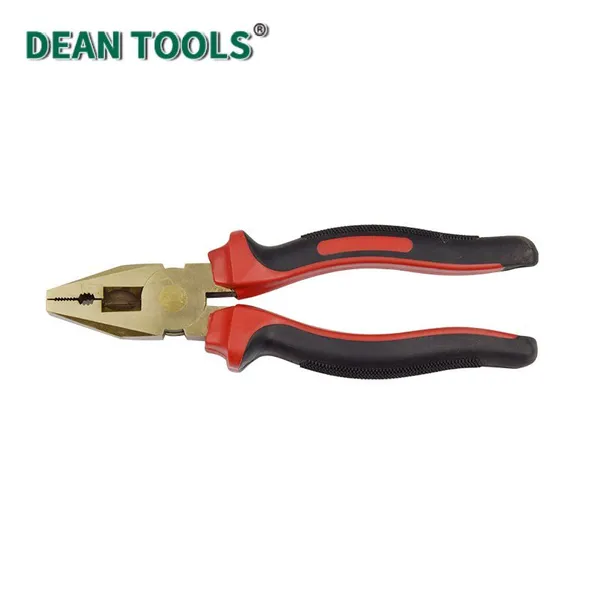
Non-Sparking Lineman Pliers for Chemical Plant, Aluminum Bronze, Anti-Corrosion, 5-Year WarrantyUS$ 18MOQ: 10 Units
-
Non-Sparking Copper Hammer Mallet 2LB, Beryllium Copper Alloy,350mm LengthUS$ 25MOQ: 10 Units
-
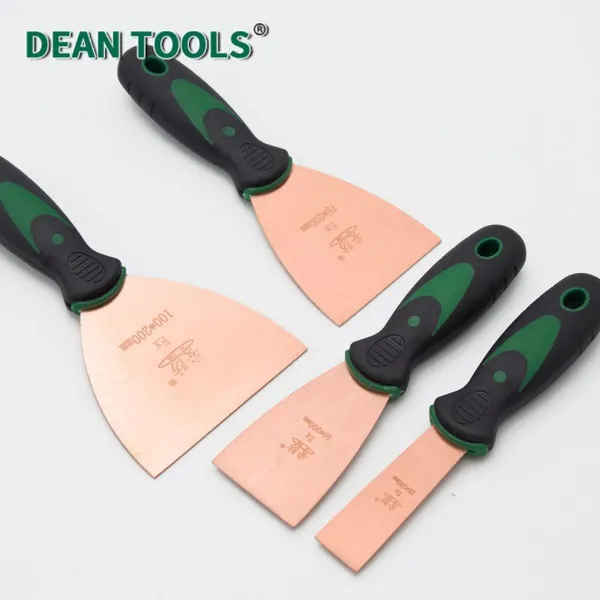
Aluminum Bronze Non-Sparking Putty Knife 200 mm Length With Plastic Handle for Hazardous EnvironmentUS$ 7.5MOQ: 10 Units
-
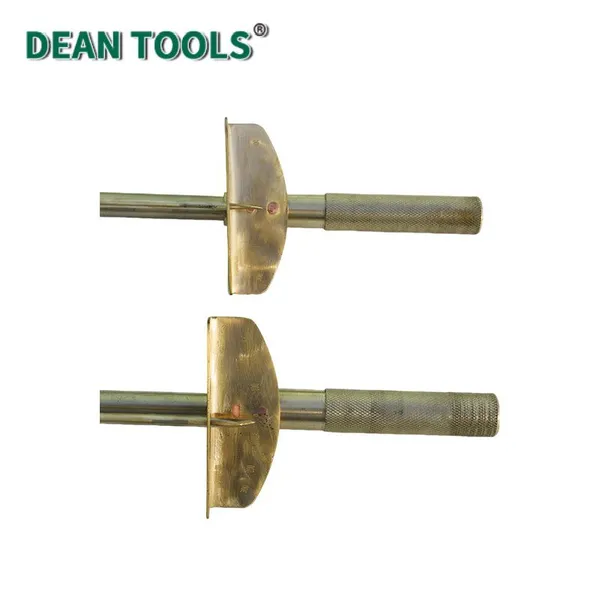
Non-Sparking Explosion-Proof Torque WrenchUS$ 51MOQ: 10 Units
-
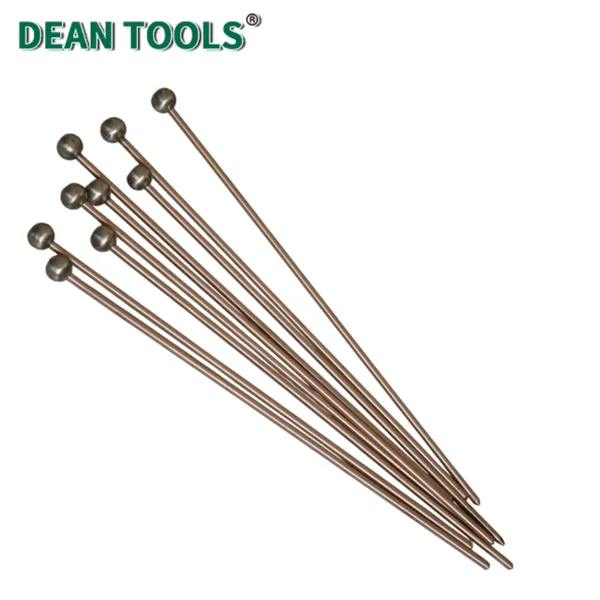
DEAN TOOLS Non-Sparking Ball Head Listening Rod, Copper Alloy Explosion Proof Listening Rod for Industrial Equipment MaintenanceUS$ 10MOQ: 10 Pieces
-
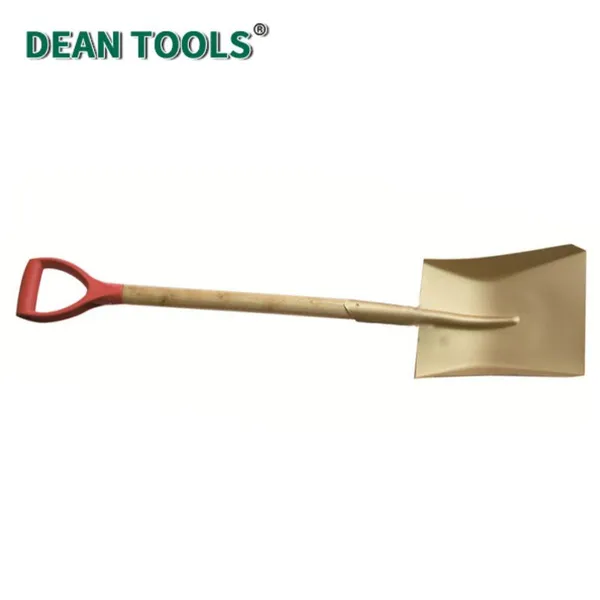
FLAT SPADE SHOVEL WOODEN HANDLE COPPER BERYLLIUM BRASS EDGE BLADEUS$ 20 - 25MOQ: 1 Piece
-
Non-sparking Flange Prop Beryllium Copper Alloy Anti-Corrosion Surface TreatmentUS$ 705.6MOQ: 10 Units
-
45# Steel 1" Dr Socket, 80mm Length,Size 22-36 Mm,45 Carbon Steel Socket ToolUS$ 5MOQ: 10 Units
-
Industrial 45# Steel Striking Open End Wrench, Industrial Maintenance Striking Wrench,Heavy Duty Hammering Open End WrenchUS$ 12MOQ: 10 Units
-
45# Steel Striking Box Wrench Size 17*150 Mm,Extra Wide Strike Zone Slogging Ring Spanner Corrosion Resistant Rust ResistantUS$ 7MOQ: 10 Units
-
45# Steel Hex Key Wrench, L-Shape,14mm, 90-Degree Bend, Satin Chrome Finish, 150mm Leg LengthUS$ 10MOQ: 10 Units