
 Business License

Non-Sparking Tools for Hazardous Work Areas: Materials, Applications, and Selection Tips
-
Meta Description: Learn how non-sparking tools support safer maintenance in potentially hazardous areas. Compare common materials, applications, and selection considerations.
Primary Keywords: non-sparking tools, non-sparking hand tools, tools for hazardous areas, , beryllium copper tools
Non-Sparking Tools for Hazardous Work Areas: Materials, Applications, and Selection Tips
In workplaces where flammable gases, vapors, dust, or liquids may be present, tool selection is an important part of routine maintenance planning. Non-sparking hand tools are designed for applications where reducing the possibility of an ignition source is a key consideration.
Although these tools are often called “explosion-proof tools,” the more accurate term is non-sparking tools. They should be used together with proper site procedures, risk assessment, ventilation, personal protective equipment, and other safety controls. No hand tool can replace a complete hazardous-area safety program.
What Are Non-Sparking Tools?
Non-sparking tools are hand tools manufactured from specially selected non-ferrous alloys. Compared with conventional carbon-steel tools, they are designed to reduce the risk of creating a hot spark when the tool contacts certain metal surfaces under suitable working conditions.
Common material options include:
• Aluminum bronze: Often selected for a balance of corrosion resistance, strength, and non-sparking performance.
• Beryllium copper: Chosen for demanding industrial applications where strength and durability are important.
• Other non-ferrous alloys: Used according to the tool type, working environment, and manufacturer’s technical design.
Material selection should always be matched with the actual working conditions. Factors such as impact force, corrosion, load, temperature, and contact with other metals may affect tool performance.
Typical Applications
Non-sparking tools are commonly considered for maintenance and installation work in areas such as:
• Oil and gas facilities
• Chemical processing plants
• Pharmaceutical production areas
• Paint and coating workshops
• Mining and mineral-processing sites
• Fuel storage and handling locations
• Industrial maintenance zones with combustible dust or vapors
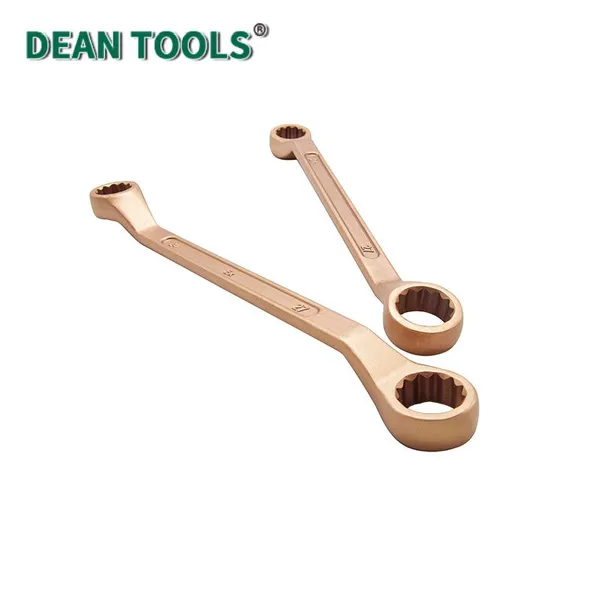
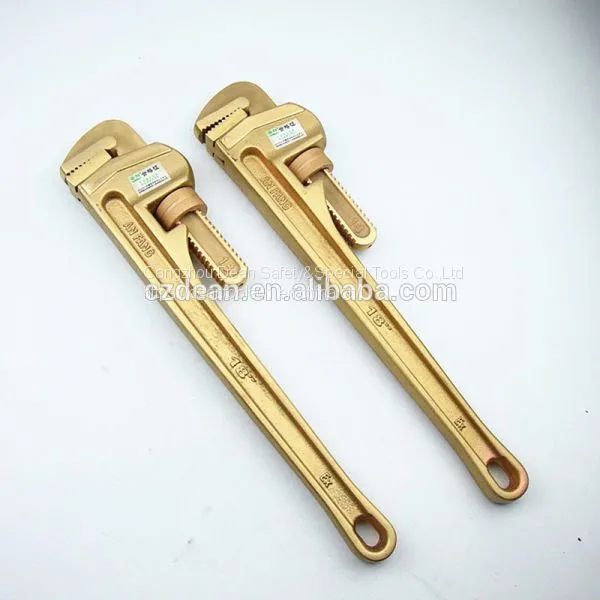
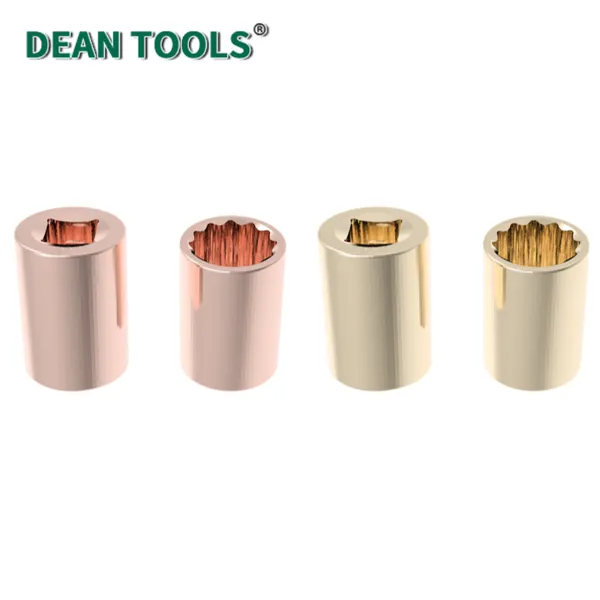
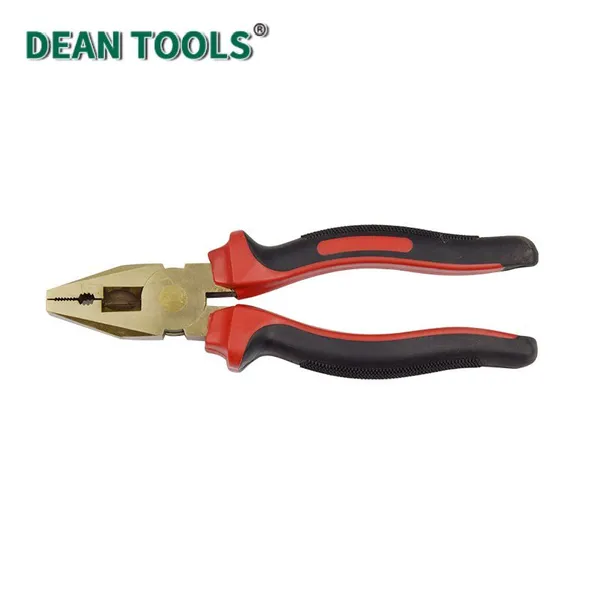
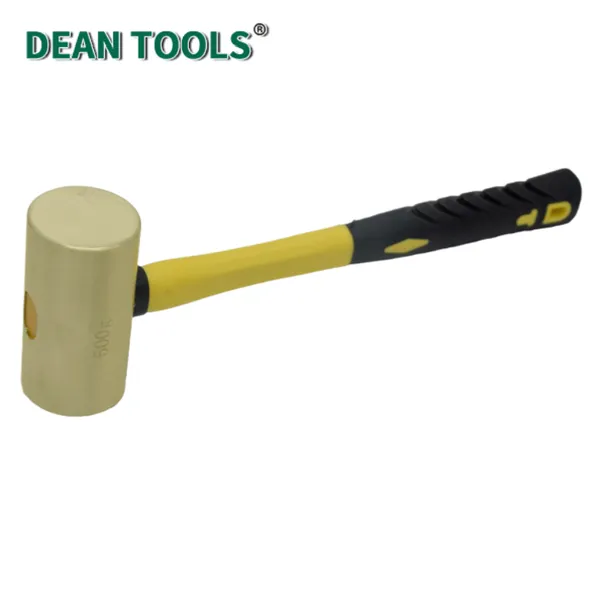
Typical products include non-sparking wrenches, hammers, pliers, screwdrivers, sockets, pipe tools, and striking tools.
How to Choose the Right Tool
Before purchasing, buyers should confirm the following points:
1. Tool type and working load: Select a tool that matches the fastening system, impact level, and required torque.
2. Material and construction: Ask about the alloy, heat treatment, forging process, and overall manufacturing method.
3. Corrosion conditions: Consider moisture, chemicals, salt, and cleaning agents in the work area.
4. Size range: Confirm the exact dimensions and available models instead of relying only on general product names.
5. Quality documentation: Request inspection records, material information, and applicable product documentation when required.
6. Customization needs: For specialized maintenance tasks, OEM sizes, markings, handles, packaging, and tool sets may be available.
Final Considerations
Non-sparking tools can be a practical choice for specific maintenance tasks in potentially hazardous environments. However, safe use depends on the complete work process, correct tool selection, regular inspection, and compliance with the customer’s internal safety requirements.
When sourcing from a manufacturer, provide the application, tool list, material preference, quantity, destination market, and documentation requirements. Clear specifications help suppliers recommend a more suitable solution and prepare a more accurate quotation.
Recently Posted
-
What Buyers Should Confirm with the Manufacturer
September 22, 2026IntroductionIndustrial buyers often search for non-sparking tools, explosion-proof hand tools, ATEX equipment, and IECEx equipment Read More
 -
How to Choose Non-Sparking Hand Tools for Hazardous Areas
September 22, 2026Introduction: Why Tool Selection Matters in a Hazardous AreaIn oil and gas, petrochemical, chemical processing, mining, paint prod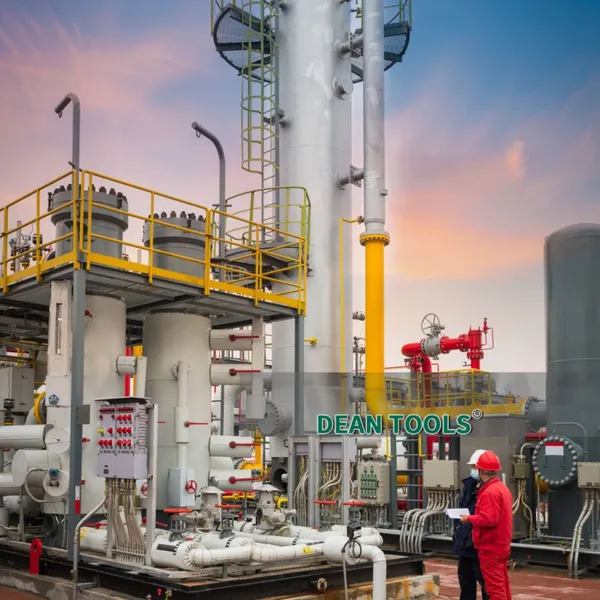 Read More
 -
Special Steel Striking Wrenches for Heavy-Duty Industrial Maintenance
September 20, 2026Meta Description: Learn how to select and use special steel striking wrenches for heavy-duty maintenance. Compare wrench prof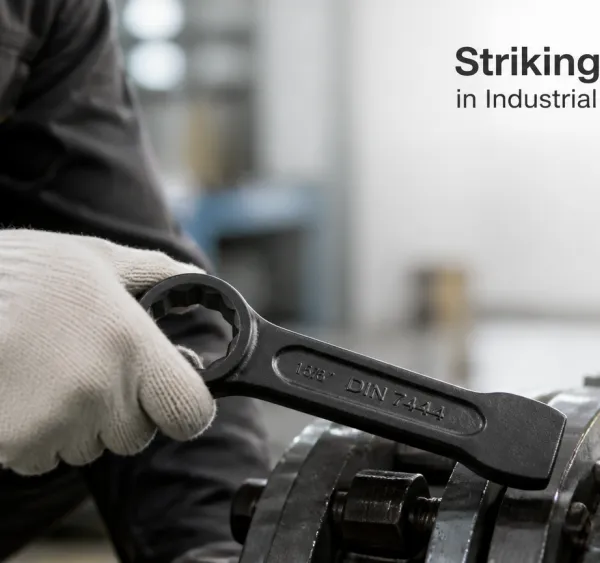 Read More
 -
What Makes a Steel Tool “Specialty”?
September 20, 2026specialty steel tools, industrial steel hand tools, , custom steel tools, heavy-duty hand tools Specialty Steel Tools: How Ma
Read More

Contact Us
Recommended Products
-
 Aluminum Bronze Non-Sparking Tool Set Manufacturer,Custom Safety Tools, Copper Alloy Non-Sparking Tools Kit | Safe Hand ToolsUS$ 500MOQ: 10 Sets
 -
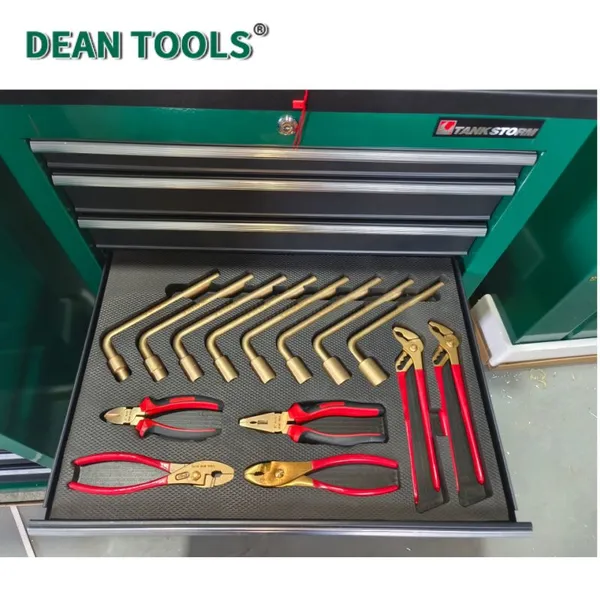
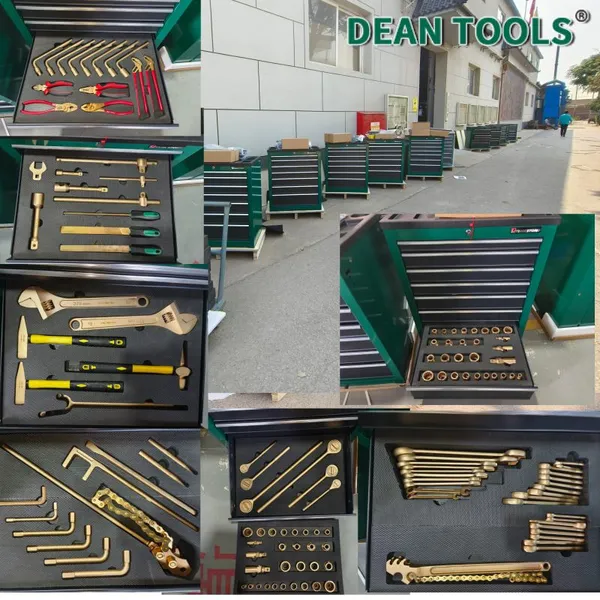
Non Sparking Tools Brass Scoop , Spark Proof Tools,DEAN TOOLS 113PCS Beryllium Bronze Non-Sparking Tool TrolleyUS$ 89 - 159MOQ: 1 Set
-
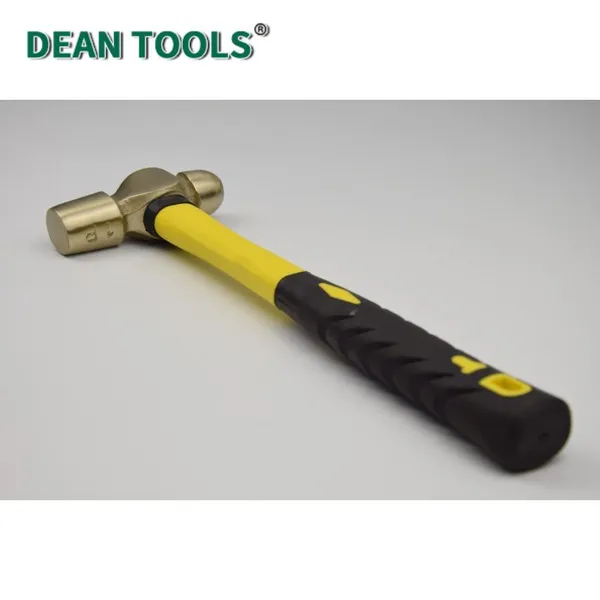
Non Sparking Ball Pein Copper Hammer\Industrial Hardware Tools\Explosion Proof Tools\Premium Copper AlloyUS$ 25.68MOQ: 10 Units
-
13-Piece Non-Sparking Double Box Offset Wrench Set, for Mining & Chemical Industry, Anti-Corrosion Coating,Size:5.5*7-30*32 mmUS$ 123MOQ: 10 Sets
-
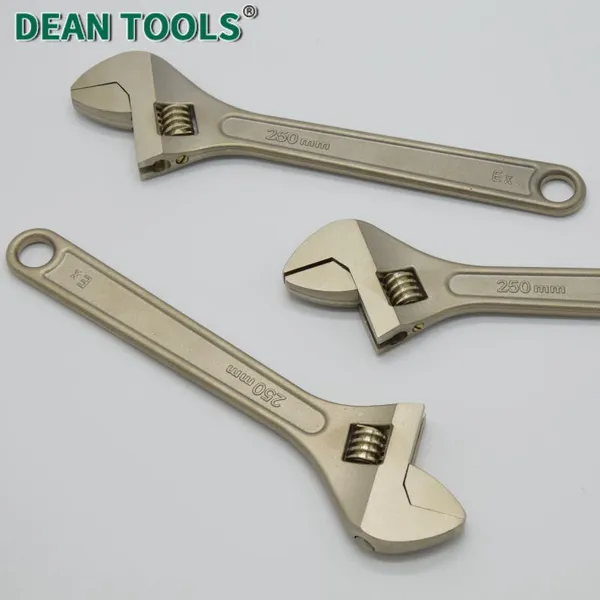
Non-Sparking Adjustable Wrench DEAN TOOLS Aluminum Bronze 6-Inch Natural Gas Pipeline Mining Operations SafetyUS$ 15MOQ: 10 Units
-
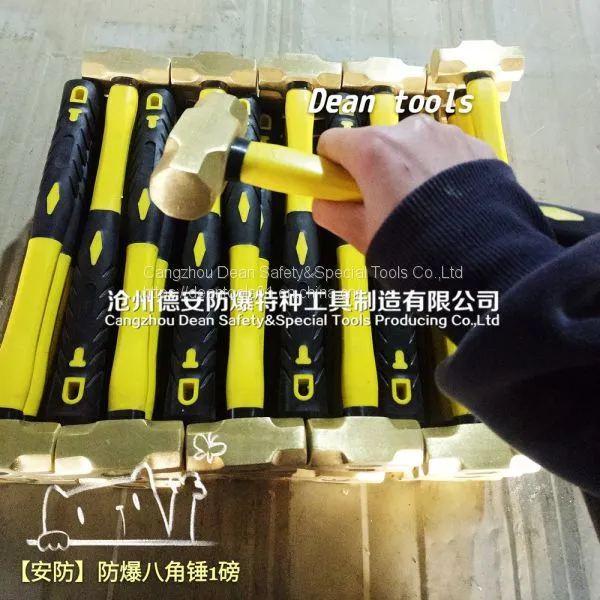
Non Sparking Beryllium Bronze Sledge Hammer With Fiber Handle 24P 18LBUS$ 39 - 520MOQ: 1 Piece
-
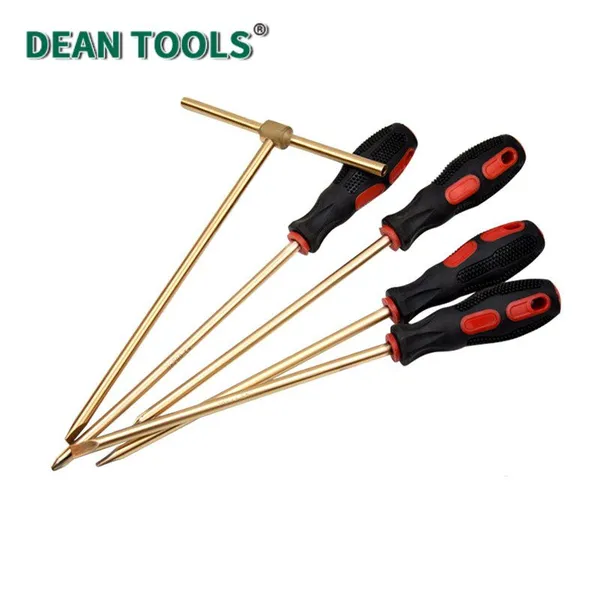
BERYLLIUM COPPER SCREWDRIVER SLOTTED FLAT NON SPARKING TOOLS 8*200MMUS$ 3.6 - 9MOQ: 1 Piece
-
Non Sparking Pipe Wrench Beryllium Bronze Stilson,tube Spanner American TypeUS$ 15 - 360MOQ: 10 Pieces
-
Sparkless be cu Joint Universal Wrench for Socket 1/2"*90mmUS$ 25 - 85MOQ: 1 Piece
-
Non-Sparking Lineman Pliers for Chemical Plant, Aluminum Bronze, Anti-Corrosion, 5-Year WarrantyUS$ 18MOQ: 10 Units
-
Non-Sparking Copper Hammer Mallet 2LB, Beryllium Copper Alloy,350mm LengthUS$ 25MOQ: 10 Units
-
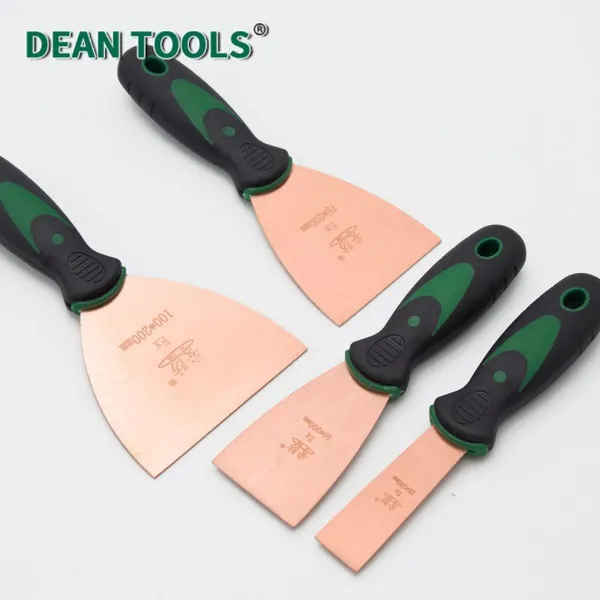
Aluminum Bronze Non-Sparking Putty Knife 200 mm Length With Plastic Handle for Hazardous EnvironmentUS$ 7.5MOQ: 10 Units
-
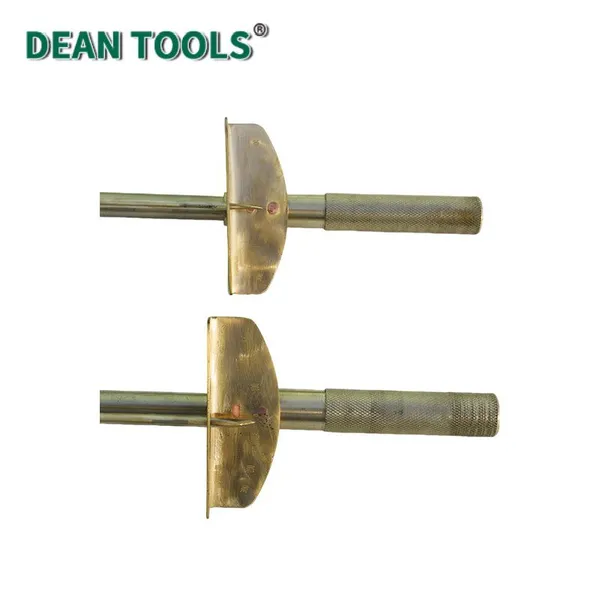
Non-Sparking Explosion-Proof Torque WrenchUS$ 51MOQ: 10 Units
-
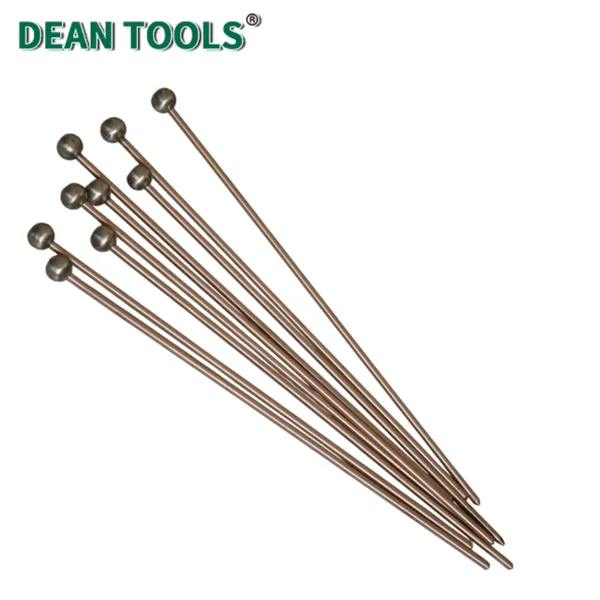
DEAN TOOLS Non-Sparking Ball Head Listening Rod, Copper Alloy Explosion Proof Listening Rod for Industrial Equipment MaintenanceUS$ 10MOQ: 10 Pieces
-
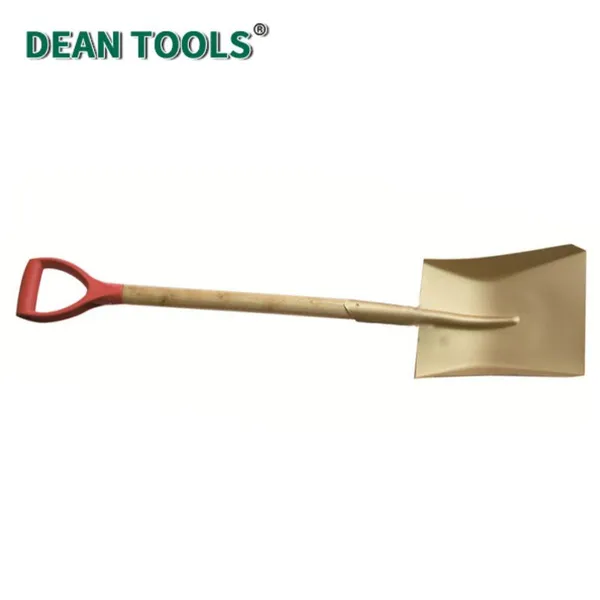
FLAT SPADE SHOVEL WOODEN HANDLE COPPER BERYLLIUM BRASS EDGE BLADEUS$ 20 - 25MOQ: 1 Piece
-
Non-sparking Flange Prop Beryllium Copper Alloy Anti-Corrosion Surface TreatmentUS$ 705.6MOQ: 10 Units
-
45# Steel 1" Dr Socket, 80mm Length,Size 22-36 Mm,45 Carbon Steel Socket ToolUS$ 5MOQ: 10 Units
-
Industrial 45# Steel Striking Open End Wrench, Industrial Maintenance Striking Wrench,Heavy Duty Hammering Open End WrenchUS$ 12MOQ: 10 Units
-
45# Steel Striking Box Wrench Size 17*150 Mm,Extra Wide Strike Zone Slogging Ring Spanner Corrosion Resistant Rust ResistantUS$ 7MOQ: 10 Units
-
45# Steel Hex Key Wrench, L-Shape,14mm, 90-Degree Bend, Satin Chrome Finish, 150mm Leg LengthUS$ 10MOQ: 10 Units