
 Business License

What Makes a Steel Tool “Specialty”?
specialty steel tools, industrial steel hand tools, , custom steel tools, heavy-duty hand tools
Specialty Steel Tools: How Material Choice Supports Strength and Long-Term Performance
Industrial hand tools work under demanding conditions. Repeated impact, high loads, abrasive contact, moisture, and chemical exposure can all influence service performance. For this reason, specialty steel tools are often selected when standard tools do not provide the required combination of strength, durability, and working stability.
The right material is only one part of tool quality. Forging, heat treatment, machining accuracy, surface finishing, and inspection also have a direct effect on the final product. Buyers should evaluate the complete manufacturing process instead of focusing on the steel grade alone.
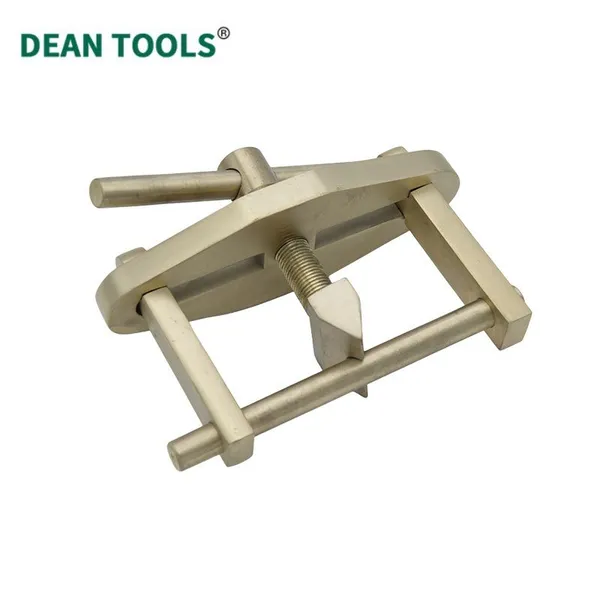
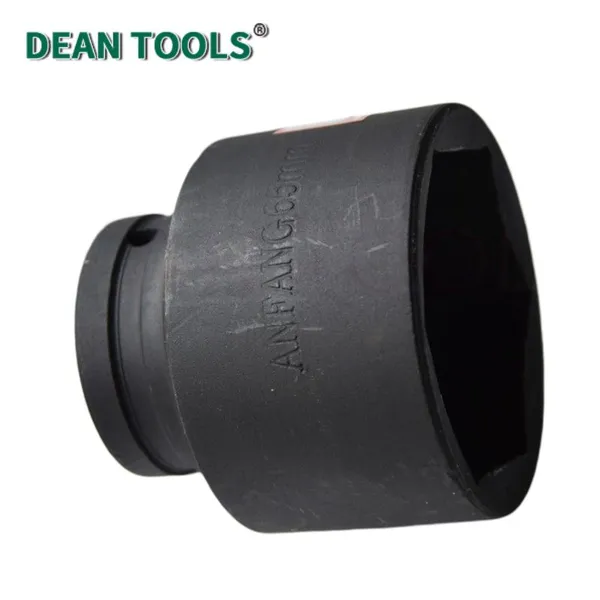
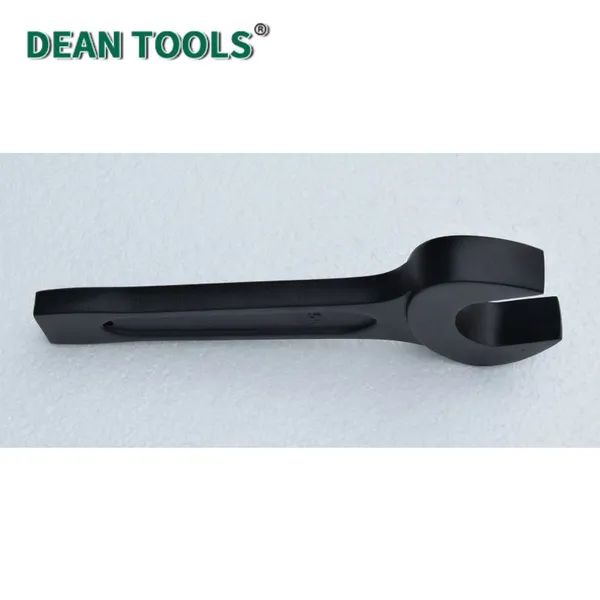
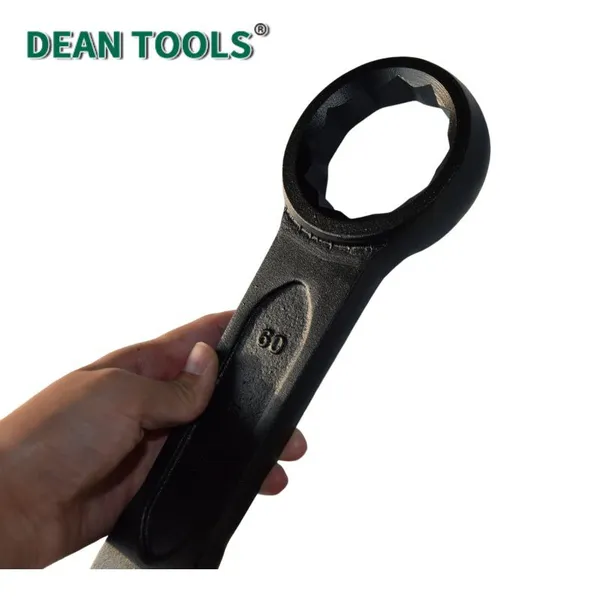
Specialty steel tools are developed for a defined application or operating condition. They may use carefully selected carbon steel, alloy steel, stainless steel, or other engineering materials according to the product design.
Examples include:
• Forged steel tools for applications requiring structural strength and impact resistance
• Stainless steel tools for environments where corrosion resistance is a key concern
• High-wear steel components for repeated contact with abrasive materials
• Custom steel tools developed for non-standard dimensions, fixtures, or maintenance procedures
For some products, materials such as 45# steel may be used as part of the design. The suitability of any material depends on the tool structure, heat-treatment process, intended load, and required working life.
Key Factors for Buyers
When comparing specialty steel tools, consider these five areas:
1. Strength and Load Requirements
A wrench, socket, hammer, or industrial tool must be designed for its intended load. A supplier should understand the actual application before recommending a material or structure.
2. Wear and Impact Conditions
Tools used repeatedly or exposed to impact may require a suitable forging process and heat treatment. Ask whether the product is designed for continuous industrial use or occasional maintenance.
3. Corrosion and Working Environment
For humid, coastal, chemical, or outdoor applications, surface treatment and corrosion-resistant materials may be important. Stainless steel can be considered when the working environment demands improved resistance to corrosion.
4. Dimensional Accuracy
For custom tools and replacement parts, accurate dimensions are essential. Provide drawings, samples, tolerances, thread details, or photos with clear measurements whenever possible.
5. Quality Control and Customization
Professional buyers may need hardness testing, dimensional inspection, material documentation, private labeling, special packaging, or customized tool sets. Confirm these requirements before production starts.
Why OEM Cooperation Matters
OEM cooperation allows buyers to adjust tool size, handle design, surface finish, logo marking, packaging, and product combinations. It is especially useful for industrial distributors, maintenance contractors, and companies with specialized equipment.
To request a suitable quotation, prepare the product name, material preference, dimensions, quantity, application, destination country, packaging requirements, and expected delivery schedule. These details help the manufacturer assess feasibility and avoid misunderstandings during production.
Conclusion
Specialty steel tools are not defined by material name alone. Their performance depends on the relationship between material selection, tool design, manufacturing process, and working conditions. A reliable supplier should be able to explain the recommended material, production method, inspection process, and customization options clearly.
For industrial buyers, a complete technical discussion before ordering is an effective way to improve product consistency, reduce sourcing risk, and select tools that better fit the intended application.
Publishing Suggestions
• Publish the articles on an English company website, Alibaba.com store blog, LinkedIn company page, or product category page.
• Add relevant product links, such as Non-Sparking Wrenches, Non-Sparking Hammers, Forged Steel Tools, or Custom Industrial Tool Sets.
• For better lead conversion, add this CTA at the end of each article: Contact us for product specifications, OEM options, samples, and a quotation.
Recently Posted
-
Special Steel Striking Wrenches for Heavy-Duty Industrial Maintenance
September 20, 2026Meta Description: Learn how to select and use special steel striking wrenches for heavy-duty maintenance. Compare wrench prof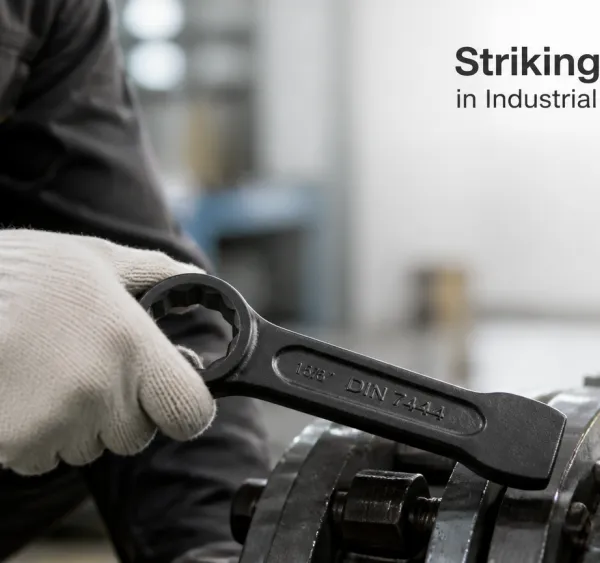 Read More
 -
Non-Sparking Tools for Hazardous Work Areas: Materials, Applications, and Selection Tips
September 20, 2026-Meta Description: Learn how non-sparking tools support safer maintenance in potentially hazardous areas. Compare common materials Read More
 -
Why Use a Non-Sparking Octagonal Hammer in Hazardous Area Maintenance?
August 17, 2026Meta Description: Discover how a non-sparking octagonal hammer supports maintenance in hazardous areas. Learn about hammer sh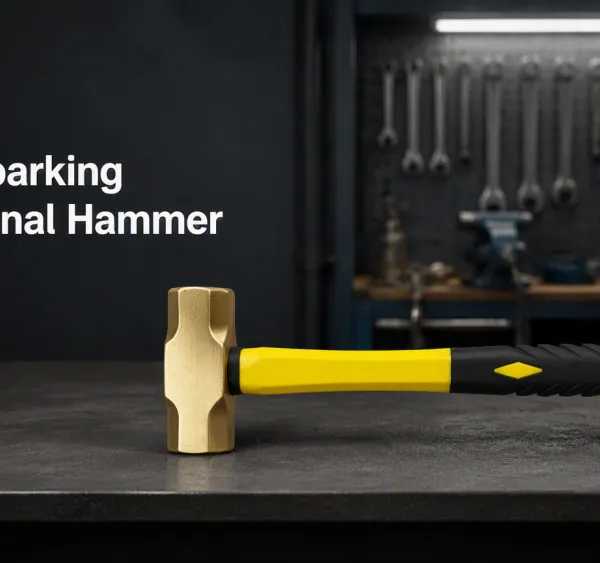 Read More
 -
How to Choose the Right Non-sparking Tools for Hazardous Work Areas
August 17, 2026Meta Description: Learn how to select non-sparking and Non-sparking tools for hazardous work areas. Compare materials, a
Read More

Contact Us
Recommended Products
-
 Aluminum Bronze Non-Sparking Tool Set Manufacturer,Custom Safety Tools, Copper Alloy Non-Sparking Tools Kit | Safe Hand ToolsUS$ 500MOQ: 10 Sets
 -
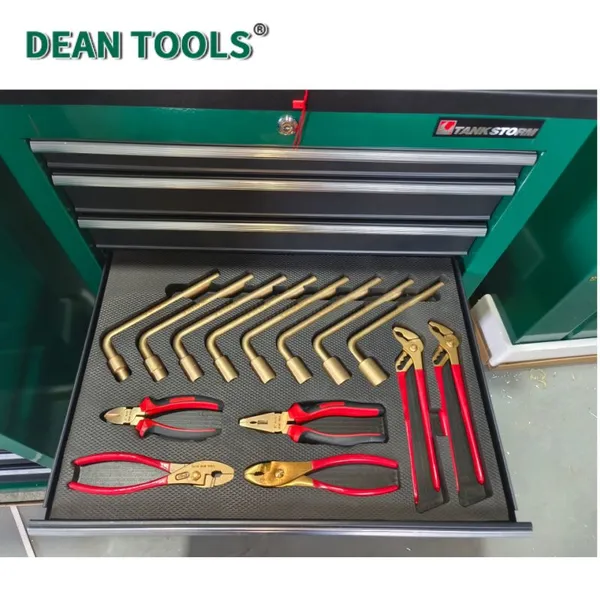
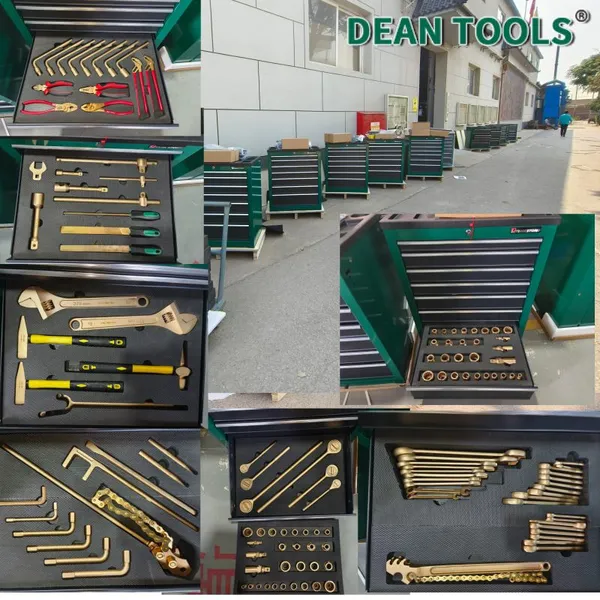
Non Sparking Tools Brass Scoop , Spark Proof Tools,DEAN TOOLS 113PCS Beryllium Bronze Non-Sparking Tool TrolleyUS$ 89 - 159MOQ: 1 Set
-
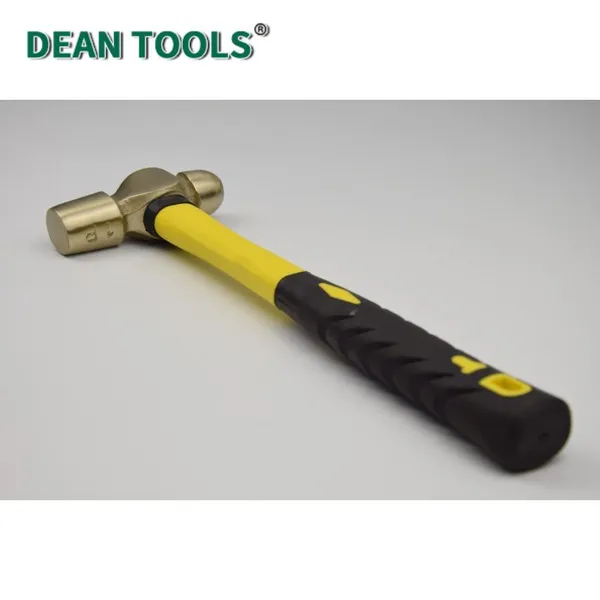
Non Sparking Ball Pein Copper Hammer\Industrial Hardware Tools\Explosion Proof Tools\Premium Copper AlloyUS$ 25.68MOQ: 10 Units
-
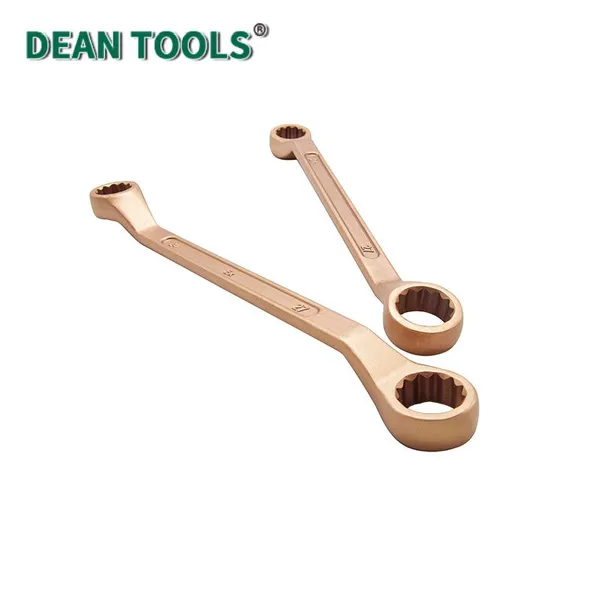
13-Piece Non-Sparking Double Box Offset Wrench Set, for Mining & Chemical Industry, Anti-Corrosion Coating,Size:5.5*7-30*32 mmUS$ 123MOQ: 10 Sets
-
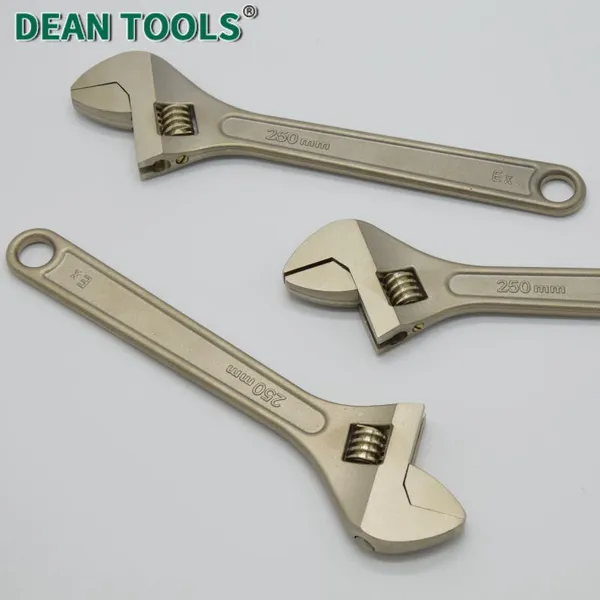
Non-Sparking Adjustable Wrench DEAN TOOLS Aluminum Bronze 6-Inch Natural Gas Pipeline Mining Operations SafetyUS$ 15MOQ: 10 Units
-
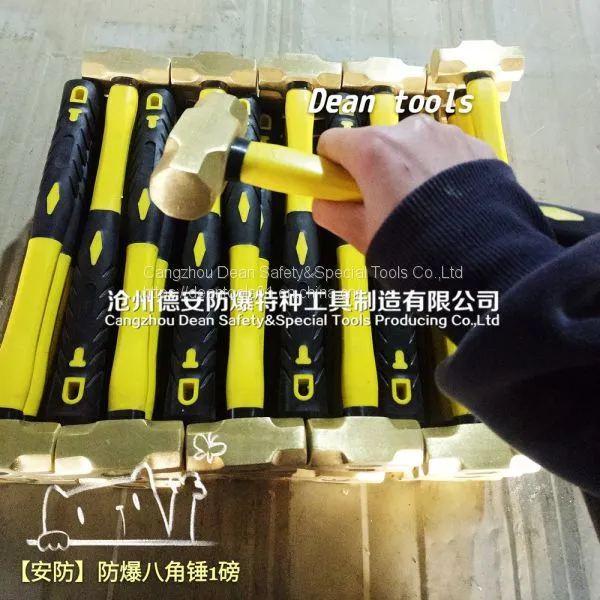
Non Sparking Beryllium Bronze Sledge Hammer With Fiber Handle 24P 18LBUS$ 39 - 520MOQ: 1 Piece
-
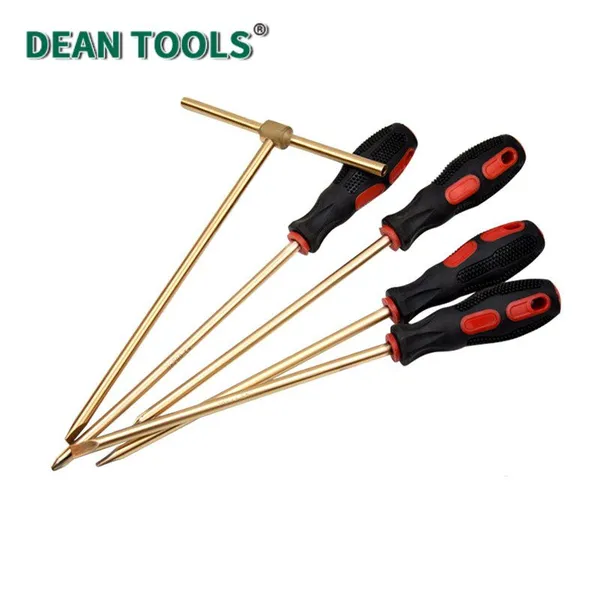
BERYLLIUM COPPER SCREWDRIVER SLOTTED FLAT NON SPARKING TOOLS 8*200MMUS$ 3.6 - 9MOQ: 1 Piece
-
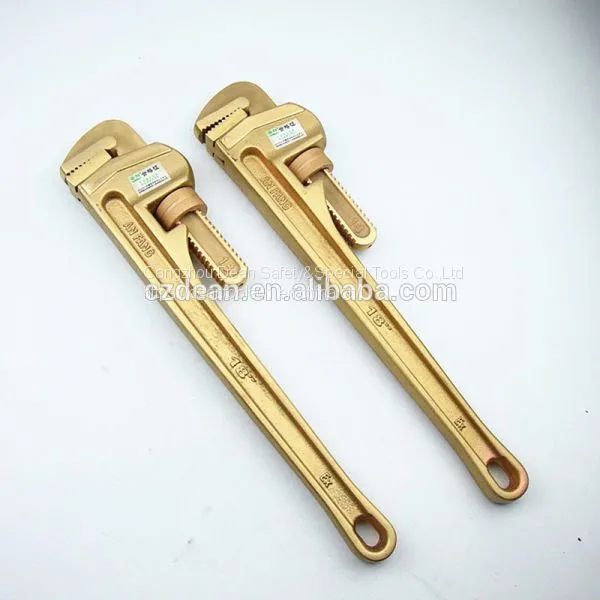
Non Sparking Pipe Wrench Beryllium Bronze Stilson,tube Spanner American TypeUS$ 15 - 360MOQ: 10 Pieces
-
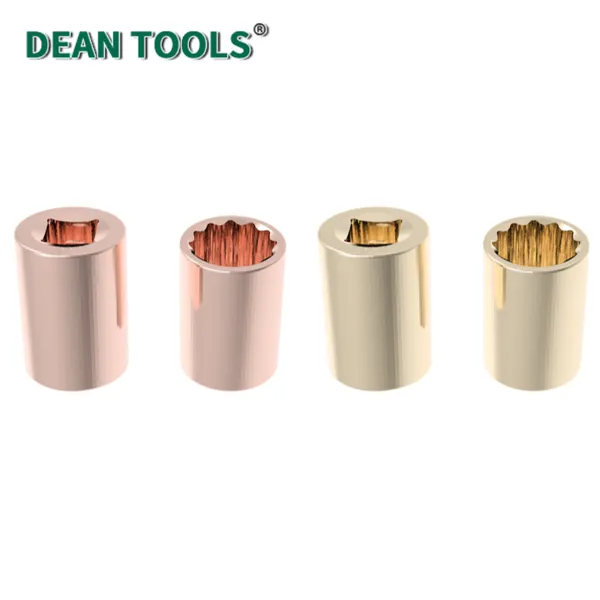
Sparkless be cu Joint Universal Wrench for Socket 1/2"*90mmUS$ 25 - 85MOQ: 1 Piece
-
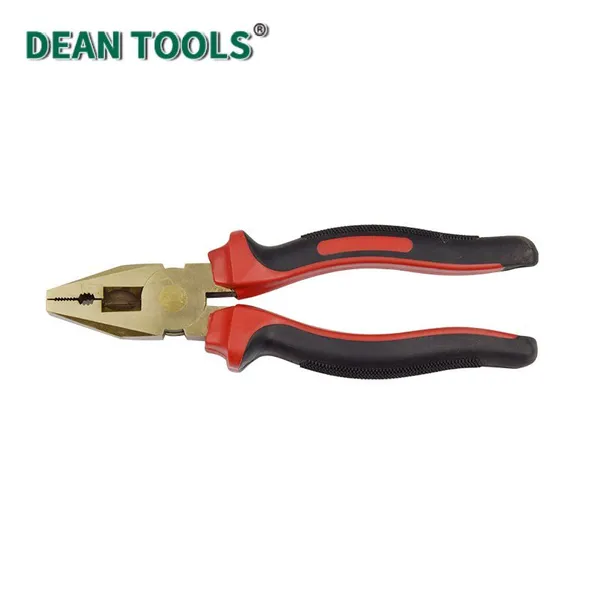
Non-Sparking Lineman Pliers for Chemical Plant, Aluminum Bronze, Anti-Corrosion, 5-Year WarrantyUS$ 18MOQ: 10 Units
-
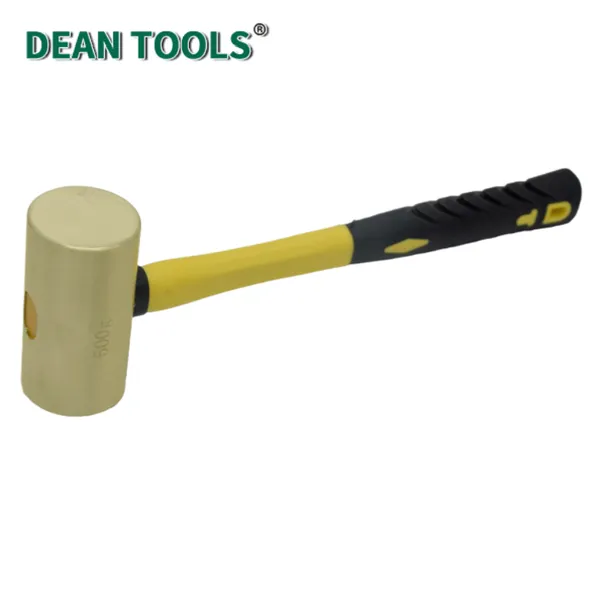
Non-Sparking Copper Hammer Mallet 2LB, Beryllium Copper Alloy,350mm LengthUS$ 25MOQ: 10 Units
-
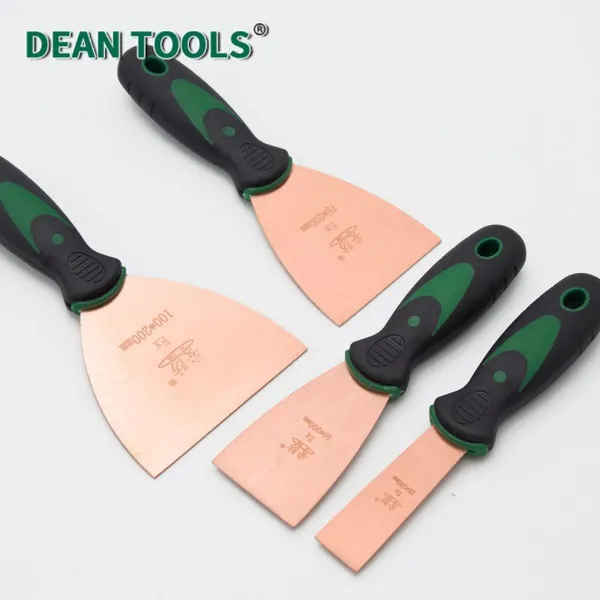
Aluminum Bronze Non-Sparking Putty Knife 200 mm Length With Plastic Handle for Hazardous EnvironmentUS$ 7.5MOQ: 10 Units
-
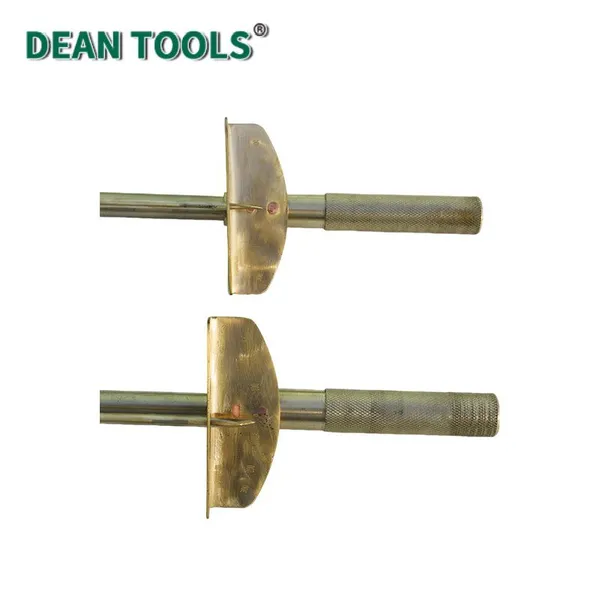
Non-Sparking Explosion-Proof Torque WrenchUS$ 51MOQ: 10 Units
-
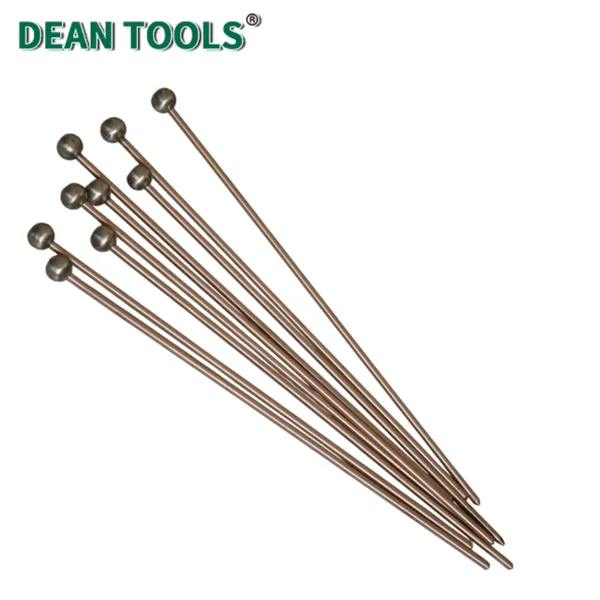
DEAN TOOLS Non-Sparking Ball Head Listening Rod, Copper Alloy Explosion Proof Listening Rod for Industrial Equipment MaintenanceUS$ 10MOQ: 10 Pieces
-
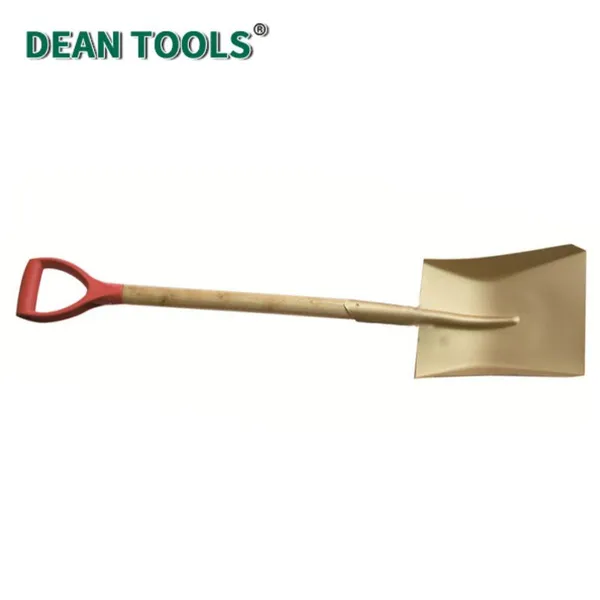
FLAT SPADE SHOVEL WOODEN HANDLE COPPER BERYLLIUM BRASS EDGE BLADEUS$ 20 - 25MOQ: 1 Piece
-
Non-sparking Flange Prop Beryllium Copper Alloy Anti-Corrosion Surface TreatmentUS$ 705.6MOQ: 10 Units
-
45# Steel 1" Dr Socket, 80mm Length,Size 22-36 Mm,45 Carbon Steel Socket ToolUS$ 5MOQ: 10 Units
-
Industrial 45# Steel Striking Open End Wrench, Industrial Maintenance Striking Wrench,Heavy Duty Hammering Open End WrenchUS$ 12MOQ: 10 Units
-
45# Steel Striking Box Wrench Size 17*150 Mm,Extra Wide Strike Zone Slogging Ring Spanner Corrosion Resistant Rust ResistantUS$ 7MOQ: 10 Units
-
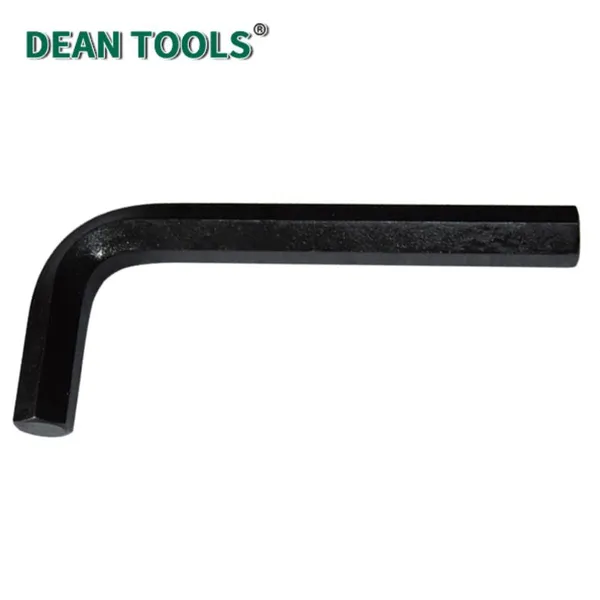
45# Steel Hex Key Wrench, L-Shape,14mm, 90-Degree Bend, Satin Chrome Finish, 150mm Leg LengthUS$ 10MOQ: 10 Units