
 Business License

How to Choose Non-Sparking Hand Tools for Hazardous Areas
Introduction: Why Tool Selection Matters in a Hazardous Area
In oil and gas, petrochemical, chemical processing, mining, paint production, and other industrial workplaces, a hand tool is part of the ignition-risk control strategy. A poorly selected tool can create risk through impact, friction, hot surfaces, contamination, or misuse. That is why maintenance teams often search for non-sparking tools, hazardous area hand tools, and explosion proof hand tools when planning work around flammable gases, vapors, liquids, dust, or residues.
The first principle is precise terminology. Non-sparking tools are better understood as reduced-sparking tools: they can reduce the probability and energy of an ignition source, but no metallic hand tool should be treated as a guarantee that an explosive atmosphere cannot ignite. The correct tool must be selected together with area classification, work instructions, ventilation, gas monitoring, personal protective equipment, and the properties of the material being handled.
1. Start with the Hazard, Not the Tool Catalogue
Before comparing wrench sets or hammer heads, define the work environment and the task. Buyers should identify the flammable material, the possibility of dust or vapor, the expected zone or hazardous-location classification, the workpiece material, the required torque or impact, and whether magnetic properties are restricted. A tool that is suitable for one task may not be suitable for another.
A useful purchasing brief should answer the following questions:
• What substance could be ignited: flammable gas, vapor, liquid, dust, or residue?
• Will the tool be used for turning, striking, prying, scraping, cutting, or maintenance close to energized equipment?
• What material will the tool contact, and could an incompatible metal combination create a reaction or contamination risk?
• Is non-magnetic performance required for instrumentation, magnetic-sensitive equipment, or specialized industrial environments?
• What documentation, inspection record, material traceability, or test report is required by the buyer or end user?
2. Understand the Main Non-Sparking Tool Materials
Non-sparking hand tools are commonly made from non-ferrous alloys such as aluminum bronze, copper-beryllium, bronze, brass, or copper-nickel alloys. The right material depends on the required strength, hardness, corrosion resistance, magnetic behavior, tool geometry, and workplace restrictions. Material names alone are not enough; a serious manufacturer should state the actual alloy designation or material specification used for the product.
Aluminum Bronze Tools
Aluminum bronze is widely considered when buyers need a balance of strength, corrosion resistance, and reduced magnetic response. It is often selected for wrenches, striking tools, pliers, sockets, and other hand tools used in industrial maintenance. The final performance still depends on alloy chemistry, forging quality, heat treatment, machining accuracy, and inspection.
Beryllium Copper Tools
Copper-beryllium alloys can provide useful mechanical and non-magnetic properties for demanding applications. However, manufacturing, grinding, polishing, and workplace handling should follow appropriate occupational-health controls because beryllium exposure is a recognized concern when dust is generated. Buyers should ask the manufacturer how the material is processed and what safety documentation is available.
Other Copper-Based Alloys
Bronze, brass, Monel-type copper-nickel alloys, and other non-ferrous materials may be suitable for selected scrapers, shovels, scoops, wrenches, and maintenance tools. Their suitability depends on the task and the contacting material. A reduced-sparking property does not automatically mean that the tool is appropriate for acetylene service, oxygen-rich conditions, or every chemical environment.
3. Match Tool Type to the Work Method
The tool design and the way it will be used can matter as much as the alloy. A correctly sized wrench reduces slipping. A suitable striking tool reduces the need for repeated uncontrolled impacts. A scraper or scoop may be preferable to a metal edge in a task where impact is unnecessary. The purchase decision should therefore include the complete tool set, not only the material label.
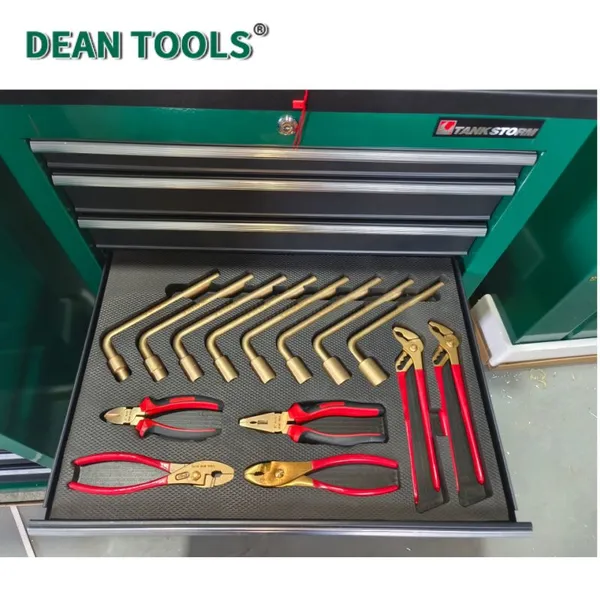
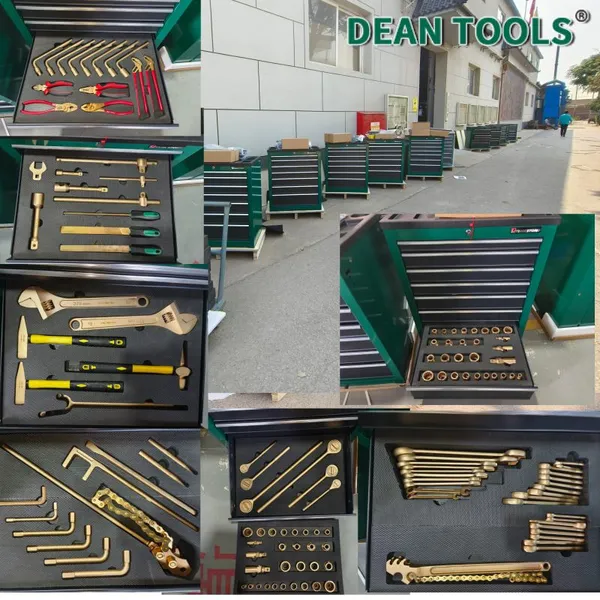
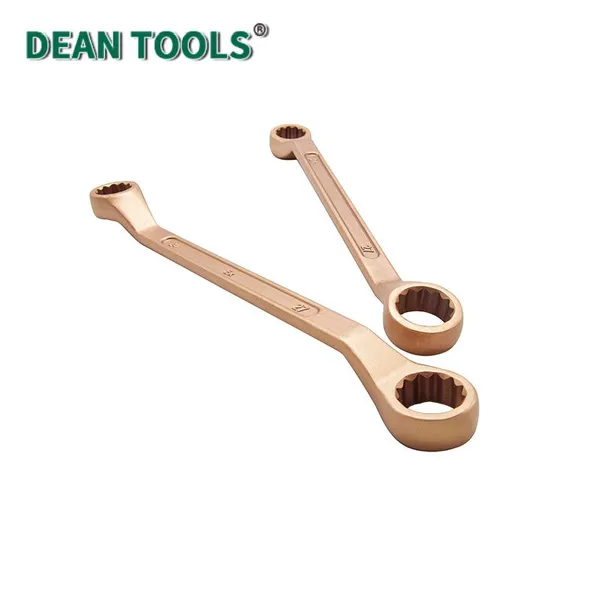
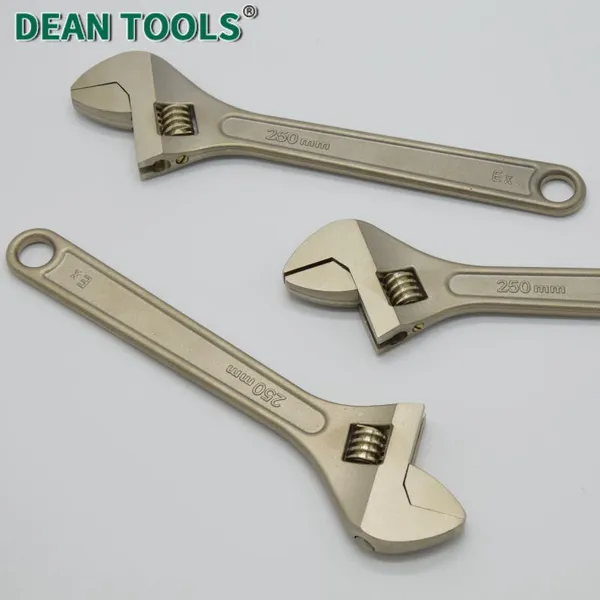
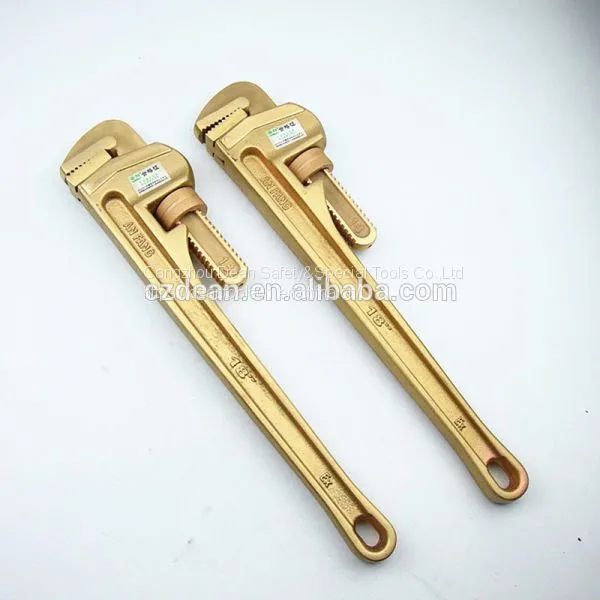
• Wrenches and spanners: confirm fit, jaw accuracy, handle geometry, and the required torque range.
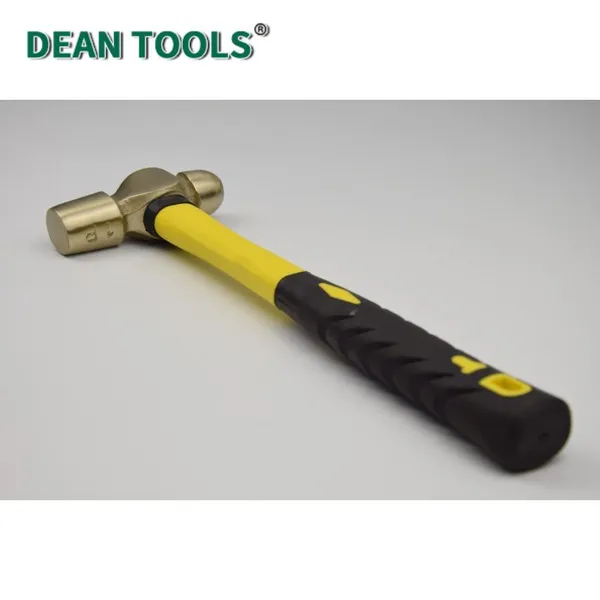
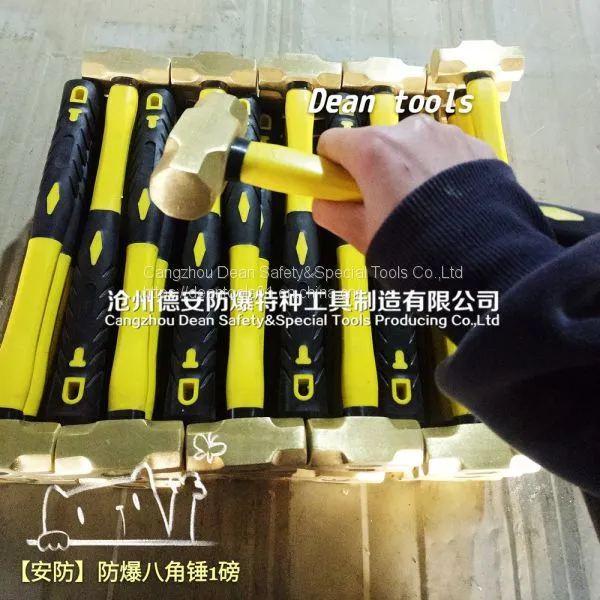
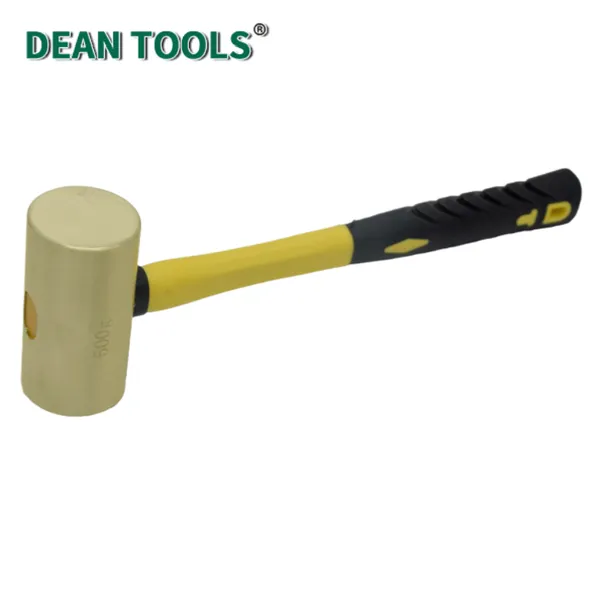
• Hammers and striking tools: define the striking surface, handle design, impact duty, and whether the application permits striking at all.
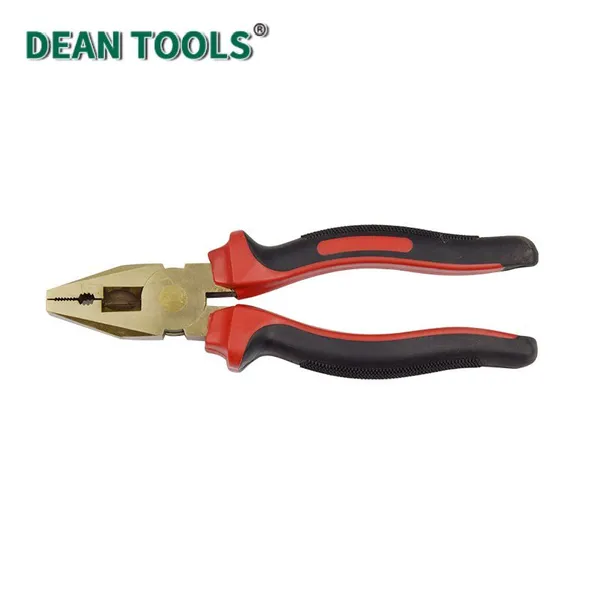
• Pliers and cutters: check cutting capacity, jaw profile, insulation requirements, and the risk of damaging the workpiece.
• Scrapers, shovels, and scoops: consider edge shape, corrosion resistance, contamination control, and whether a non-metallic option is safer.
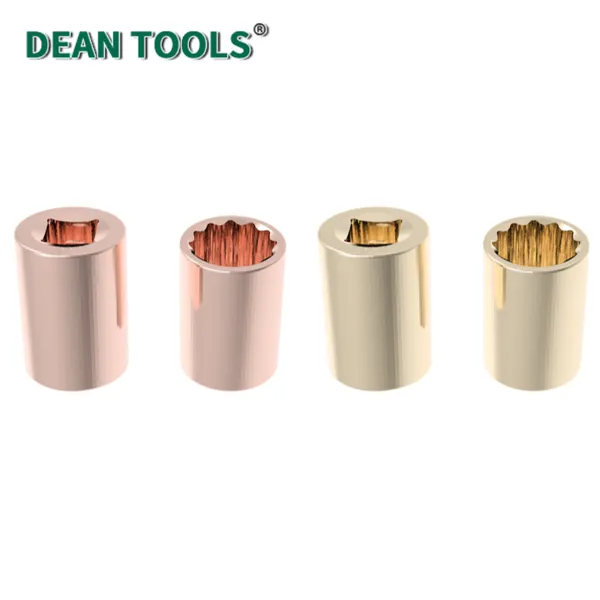
• Sockets and drive tools: verify compatibility with the drive system and confirm that the set covers the actual maintenance range.
4. Questions to Ask a Non-Sparking Tool Manufacturer
A capable manufacturer should be able to explain how the product is made and how it is controlled, rather than only repeating the phrase “explosion proof.” The following questions help buyers compare suppliers on measurable evidence:
1. What exact alloy or material specification is used for each product family?
2. Are the tools forged, cast, machined, or produced through a combination of processes?
3. How are dimensions, hardness, surface condition, and tool fit inspected?
4. Can the supplier provide a material certificate, inspection report, or batch traceability when required?
5. What is the recommended use and what applications are excluded?
6. How should the tool be cleaned, inspected, sharpened, redressed, and stored?
7. Can the manufacturer support OEM marking, private labeling, packaging, and customized tool sets?
8. Which technical documents are available for the target market, and which claims are supported by evidence?
5. Maintenance and Safe-Use Practices
Non-sparking tools still require disciplined maintenance. Guidance from CCOHS notes that these tools can produce low-energy sparks, may wear faster than ordinary steel tools, and should be kept free from ferrous contamination. The tool must be inspected before use and removed from service when it is cracked, chipped, excessively worn, deformed, or contaminated.
• Keep the tool clean and free from steel particles, rust, and other contaminants.
• Use the correct size and profile to reduce slipping, impact, and unintended contact.
• Inspect edges, jaws, striking faces, handles, and moving parts before each job.
• Do not use a tool outside the manufacturer’s stated application or in direct contact with incompatible substances.
• Follow site procedures for ventilation, gas detection, isolation, purging, and hot-work control.
• Redress or replace worn tools under controlled conditions, with appropriate dust extraction and personal protection.
6. Non-Sparking Is Not the Same as ATEX or IECEx Certification
One of the most important purchasing distinctions is between a reduced-sparking manual tool and certified equipment for explosive atmospheres. ATEX and IECEx requirements are product- and application-specific. A hand tool should not be advertised as ATEX-certified, IECEx-certified, or explosion-proof unless the manufacturer can provide the relevant conformity evidence for that exact product and intended use.
For non-electrical equipment, technical evaluation can include ignition hazard assessment and the control of risks from impact, friction, hot surfaces, static electricity, and other potential ignition sources. The final compliance route depends on the product, equipment category, zone, market, and applicable standards. Buyers should request a document review before using a certification term in a purchase specification or marketing claim.
7. A Practical Buying Checklist
9. Define the hazardous-area conditions and task before choosing a material.
10. Select the tool type and size that minimize slipping, impact, and unnecessary force.
11. Compare the actual alloy, manufacturing process, inspection method, and traceability offered by each supplier.
12. Ask for application limits and maintenance instructions in writing.
13. Separate “non-sparking” product claims from ATEX, IECEx, CE, UKCA, or other market-specific conformity claims.
14. Confirm packaging, marking, OEM options, sample policy, lead time, and warranty terms before placing a production order.
Conclusion
The best non-sparking hand tool is not simply the tool with the most attractive label. It is the tool whose alloy, geometry, manufacturing controls, documentation, and maintenance requirements match the actual hazard and work method. Industrial buyers can reduce procurement risk by asking precise technical questions and by working with a manufacturer that communicates both the benefits and the limitations of reduced-sparking tools.
Frequently Asked Questions
Are non-sparking tools completely spark-free? No. They are designed to reduce the likelihood or energy of sparks under suitable conditions, but they do not eliminate every ignition risk.
What are common materials for non-sparking tools? Common material families include aluminum bronze, copper-beryllium, bronze, brass, and copper-nickel alloys. The correct selection depends on the task and environment.
Are all non-sparking tools ATEX-certified? No. Non-sparking is a product characteristic or marketing term; ATEX conformity is a separate, product-specific regulatory assessment.
Can non-sparking tools be customized? Many manufacturers can discuss customized sizes, tool sets, markings, packaging, and OEM programs. The available options should be confirmed for the specific product family.
Official References
Canadian Centre for Occupational Health and Safety (CCOHS): Non-sparking tools
IECEx: Standards for explosive atmospheres
DNV: ATEX 2014/34/EU mechanical and non-electrical equipment
UL Solutions: Certification of non-electrical equipment for explosive atmospheres
OSHA: 1910.106 Flammable liquids
Recently Posted
-
What Buyers Should Confirm with the Manufacturer
September 22, 2026IntroductionIndustrial buyers often search for non-sparking tools, explosion-proof hand tools, ATEX equipment, and IECEx equipment Read More
 -
Special Steel Striking Wrenches for Heavy-Duty Industrial Maintenance
September 20, 2026Meta Description: Learn how to select and use special steel striking wrenches for heavy-duty maintenance. Compare wrench prof Read More
 -
What Makes a Steel Tool “Specialty”?
September 20, 2026specialty steel tools, industrial steel hand tools, , custom steel tools, heavy-duty hand tools Specialty Steel Tools: How Ma
Read More -
Non-Sparking Tools for Hazardous Work Areas: Materials, Applications, and Selection Tips
September 20, 2026-Meta Description: Learn how non-sparking tools support safer maintenance in potentially hazardous areas. Compare common materials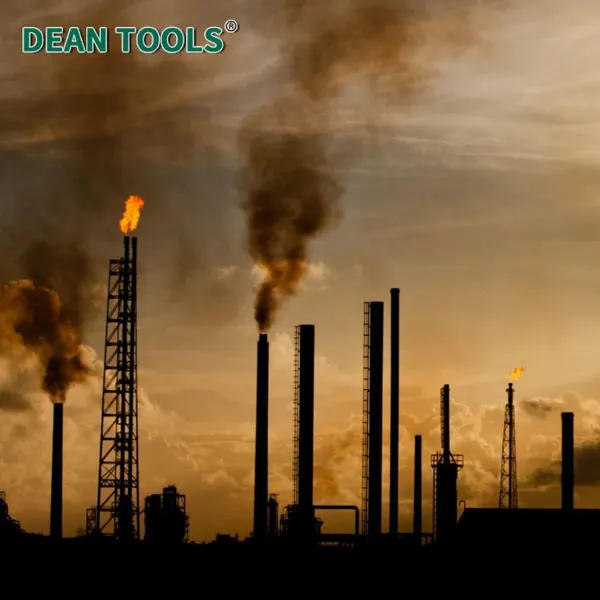 Read More

Contact Us
Recommended Products
-
 Aluminum Bronze Non-Sparking Tool Set Manufacturer,Custom Safety Tools, Copper Alloy Non-Sparking Tools Kit | Safe Hand ToolsUS$ 500MOQ: 10 Sets
 -
Non Sparking Tools Brass Scoop , Spark Proof Tools,DEAN TOOLS 113PCS Beryllium Bronze Non-Sparking Tool TrolleyUS$ 89 - 159MOQ: 1 Set
-
Non Sparking Ball Pein Copper Hammer\Industrial Hardware Tools\Explosion Proof Tools\Premium Copper AlloyUS$ 25.68MOQ: 10 Units
-
13-Piece Non-Sparking Double Box Offset Wrench Set, for Mining & Chemical Industry, Anti-Corrosion Coating,Size:5.5*7-30*32 mmUS$ 123MOQ: 10 Sets
-
Non-Sparking Adjustable Wrench DEAN TOOLS Aluminum Bronze 6-Inch Natural Gas Pipeline Mining Operations SafetyUS$ 15MOQ: 10 Units
-
Non Sparking Beryllium Bronze Sledge Hammer With Fiber Handle 24P 18LBUS$ 39 - 520MOQ: 1 Piece
-
BERYLLIUM COPPER SCREWDRIVER SLOTTED FLAT NON SPARKING TOOLS 8*200MMUS$ 3.6 - 9MOQ: 1 Piece
-
Non Sparking Pipe Wrench Beryllium Bronze Stilson,tube Spanner American TypeUS$ 15 - 360MOQ: 10 Pieces
-
Sparkless be cu Joint Universal Wrench for Socket 1/2"*90mmUS$ 25 - 85MOQ: 1 Piece
-
Non-Sparking Lineman Pliers for Chemical Plant, Aluminum Bronze, Anti-Corrosion, 5-Year WarrantyUS$ 18MOQ: 10 Units
-
Non-Sparking Copper Hammer Mallet 2LB, Beryllium Copper Alloy,350mm LengthUS$ 25MOQ: 10 Units
-
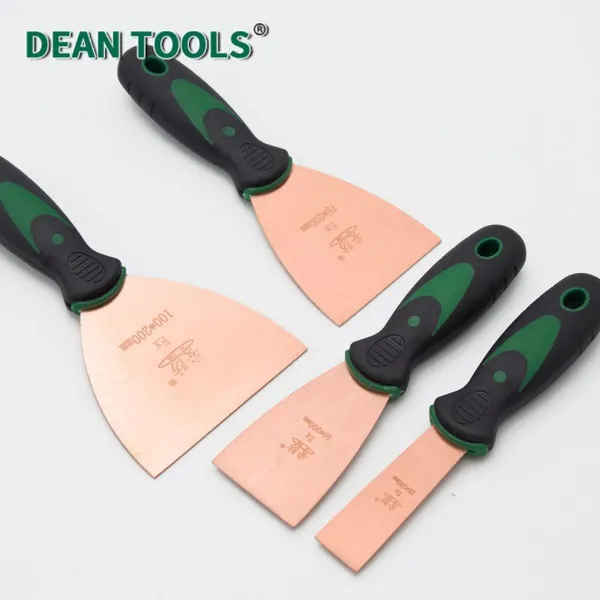
Aluminum Bronze Non-Sparking Putty Knife 200 mm Length With Plastic Handle for Hazardous EnvironmentUS$ 7.5MOQ: 10 Units
-
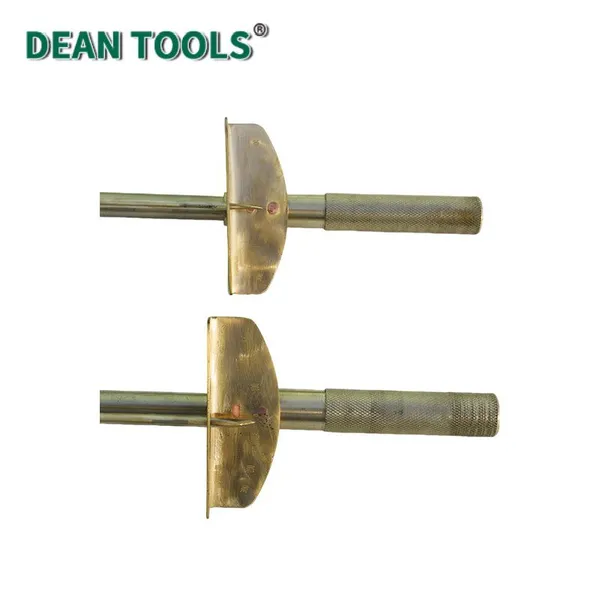
Non-Sparking Explosion-Proof Torque WrenchUS$ 51MOQ: 10 Units
-
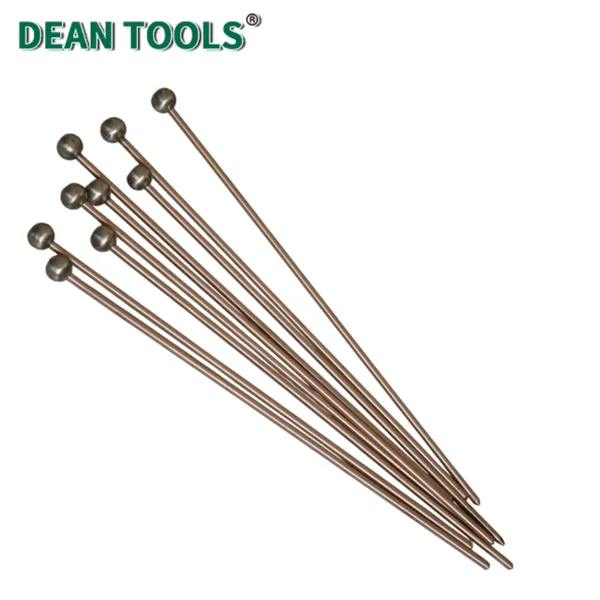
DEAN TOOLS Non-Sparking Ball Head Listening Rod, Copper Alloy Explosion Proof Listening Rod for Industrial Equipment MaintenanceUS$ 10MOQ: 10 Pieces
-
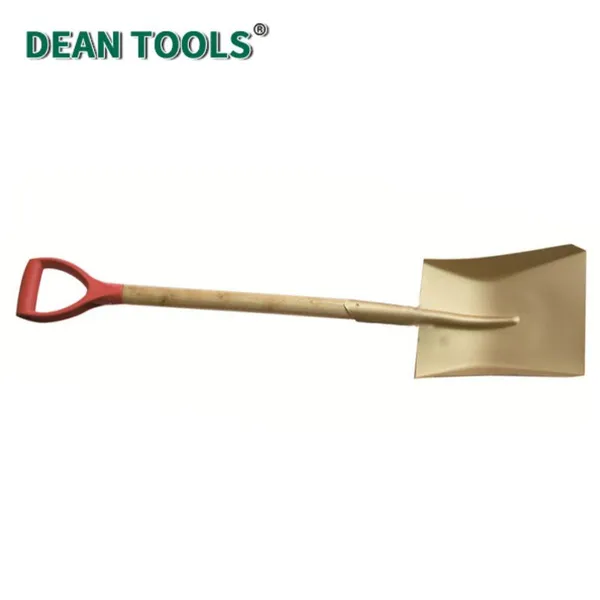
FLAT SPADE SHOVEL WOODEN HANDLE COPPER BERYLLIUM BRASS EDGE BLADEUS$ 20 - 25MOQ: 1 Piece
-
Non-sparking Flange Prop Beryllium Copper Alloy Anti-Corrosion Surface TreatmentUS$ 705.6MOQ: 10 Units
-
45# Steel 1" Dr Socket, 80mm Length,Size 22-36 Mm,45 Carbon Steel Socket ToolUS$ 5MOQ: 10 Units
-
Industrial 45# Steel Striking Open End Wrench, Industrial Maintenance Striking Wrench,Heavy Duty Hammering Open End WrenchUS$ 12MOQ: 10 Units
-
45# Steel Striking Box Wrench Size 17*150 Mm,Extra Wide Strike Zone Slogging Ring Spanner Corrosion Resistant Rust ResistantUS$ 7MOQ: 10 Units
-
45# Steel Hex Key Wrench, L-Shape,14mm, 90-Degree Bend, Satin Chrome Finish, 150mm Leg LengthUS$ 10MOQ: 10 Units