
 Business License

Aluminum Bronze vs. Beryllium Copper: How to Choose Non-Sparking Tools for Hazardous Environments
Material Selection & Sourcing Decision
Article Title (H1) | Aluminum Bronze vs. Beryllium Copper Non-Sparking Tools: How to Choose the Right Material for Hazardous Environments |
Target Keywords (Primary) | Aluminum Bronze vs Beryllium Copper, Non-Sparking tools material, Al-Bronze vs Be-Cu safety tools |
Secondary Keywords | Explosion proof hand tools, ATEX gas group tools, non-magnetic safety tools, spark resistant hand tools |
Search Intent | Commercial & Informational (Procurement & Safety Engineers evaluating safety vs cost before purchasing) |
Target Audience | EHS Safety Managers, Industrial MRO Buyers, Plant Maintenance Directors in Oil & Gas, Petrochemical, Mining & Marine |
Recommended URL Slug | /blog/aluminum-bronze-vs-beryllium-copper-non-sparking-tools-guide |
Meta Description | Confused between Aluminum Bronze and Beryllium Copper non-sparking tools? Compare hardness, gas groups (IIA/IIB vs IIC), magnetic permeability, and costs to make the right choice for hazardous zones. |
1. The High-Stakes Dilemma in Hazardous Zone Tool Procurement
In flammable, explosive, or combustible industrial environments—such as oil refineries, offshore drilling rigs, chemical processing plants, and paint spray facilities—a single friction spark from a conventional carbon steel wrench or hammer can trigger catastrophic ignition. This makes non-sparking safety hand tools mandatory under international safety protocols (OSHA, ATEX, NFPA).
However, when procurement officers and safety managers source non-sparking hand tools, they immediately face a critical decision: Should you specify Aluminum Bronze (Al-Cu / Al-Bronze) or Beryllium Copper (Be-Cu / Cu-Be)?
Choosing the wrong alloy is not just a commercial mistake—it is a compliance and safety liability. Specify an under-rated material for a high-risk hydrogen zone, and you risk a fatal explosion during routine valve maintenance. Over-specify Beryllium Copper across entire facilities where Aluminum Bronze is completely sufficient, and your procurement budget inflates by 200% to 300%.
This guide breaks down the metallurgical properties, mechanical capabilities, gas group certifications, and total cost of ownership to help you make 100% compliant and cost-effective purchasing decisions.
2. Head-to-Head Comparison: Aluminum Bronze vs. Beryllium Copper
Below is the definitive technical comparison based on international manufacturing standards (including DIN, ISO, and GB standards):
Key Technical Parameter | Aluminum Bronze (Al-Bronze / Al-Cu) | Beryllium Copper (Be-Cu / Cu-Be) |
Chemical Composition | Cu + 9-11% Al + Fe/Ni/Mn | Cu + 1.8-2.2% Be + Co/Ni |
Tensile Strength (N/mm²) | 780 – 850 N/mm² | 1050 – 1200 N/mm² (Extremely High) |
Hardness Rating (HRC / Brinell) | 25 – 30 HRC (250 – 290 HB) | 35 – 40 HRC (320 – 380 HB) |
Applicable Explosion Group | ATEX Gas Groups IIA, IIB | ATEX Gas Groups IIA, IIB, and IIC |
Representative Explosive Gases | Methane, Propane, Ethylene, Gasoline | Hydrogen (H₂), Acetylene (C₂H₂), Carbon Disulfide |
Magnetic Permeability | Weakly Magnetic (Ferritic phase present) | 100% Non-Magnetic (Ideal for MRI / Defense) |
Relative Price Index | Baseline (1.0x) | 2.2x – 3.0x Baseline |
Recommended Applications | Standard Petrochemical, Pipelines, Grain Silos, Mining | Hydrogen Plants, High-Torque Striking, MRI Suites, Defense |
3. Deep Dive: When to Choose Aluminum Bronze Tools
Aluminum Bronze is the most widely adopted non-sparking alloy globally, representing over 70% of standard hazardous area hand tool deployments.
· Provides certified explosion protection at less than half the acquisition cost of Beryllium Copper.Cost Efficiency:
· With a hardness of 25–30 HRC, Al-Bronze wrenches, sockets, and pliers easily handle standard valve turning, nut tightening, and piping assembly without premature rounding.Sufficient Hardness for Standard Fastening:
· Certified for ATEX Gas Groups IIA (e.g., Methane, Propane) and IIB (e.g., Ethylene, Coal Gas), covering the vast majority of petroleum refineries, natural gas terminals, tank farms, and grain processing facilities.Wide Gas Group Coverage:
⚠️ Important Limitation: Aluminum Bronze contains minor iron content for grain refinement, giving it weak magnetic properties. Do NOT use Al-Bronze in strong magnetic fields (such as hospital MRI maintenance, semiconductor cleanrooms, or military demining operations).
4. Deep Dive: When Beryllium Copper is Mandatory
Beryllium Copper is an ultra-premium, heat-treated copper alloy engineered for the most demanding explosive environments and severe mechanical duties.
· Hydrogen, Acetylene, and Carbon Disulfide have exceptionally low Minimum Ignition Energy (MIE). Only Be-Cu is certified to prevent thermal sparks capable of igniting Group IIC atmospheres.Mandatory for Gas Group IIC Environments:
· With tensile strength surpassing 1050 N/mm²—approaching alloy steel—Be-Cu striking tools (sledgehammers, chisels, wedges, striking ring wrenches) resist deformation, mushrooming, and bending under heavy impact.Extreme Mechanical Strength (Up to 40 HRC):
· Be-Cu exhibits zero magnetic permeability. It is the mandatory standard for maintaining medical diagnostic equipment (MRI), radar stations, calibration labs, and aerospace facilities.100% Non-Magnetic Guarantee:
5. Step-by-Step Decision Matrix for B2B Procurement
To optimize your budget without compromising worker safety, follow this 3-question procurement rule:
· If Hydrogen, Acetylene, or Ethylene Oxide is present (Group IIC) → Specify Beryllium Copper. If Methane, Natural Gas, Diesel, or Propane (Group IIA/IIB) → Specify Aluminum Bronze.Question 1: What is the primary explosive gas or vapor in your facility?
· For high-impact, high-torque tools (Sledgehammers, heavy cold chisels, striking spanners) subjected to severe daily hammering, Beryllium Copper offers 3x longer operational life.Question 2: What is the tool's mechanical function?
· If zero magnetism is required → Specify Beryllium Copper.Question 3: Is there a magnetic field restriction?
6. Sourcing Tips: What to Verify with Your Manufacturer
When requesting quotes from OEM/ODM non-sparking tool manufacturers, always ensure the following clauses are included in your Purchase Order (PO):
· Confirm the chemical composition (e.g., Beryllium content 1.8-2.2% or Aluminum content 9-11%) to prevent sub-standard scrap alloy dilution.Spectrographic Material Test Report (MTR):
· Ensure every single tool is permanently marked with the alloy type (Al-Cu or Be-Cu), manufacturer logo, size, and production batch number for safety audit tracking.Laser Batch Traceability:
· Request drop-forged tools over cheap sand-cast alternatives. Drop-forged non-sparking tools eliminate internal air bubbles and micro-cracks, delivering 40% higher structural density.Die-Forging vs. Sand Casting:
7. Frequently Asked Questions (FAQ)
Q1: Can you use Aluminum Bronze tools in an offshore oil platform?
Yes. Standard offshore crude oil and natural gas production belongs to Gas Groups IIA and IIB. Aluminum Bronze is the industry standard for general offshore maintenance, provided hydrogen sulfide (H₂S) concentrations do not require specialized metallurgy.
Q2: Why are non-sparking tools softer than standard Chrome Vanadium (Cr-V) steel tools?
Non-sparking copper alloys are inherently ductile to absorb impact energy and prevent hot pyrophoric sparks. While Cr-V steel achieves 45-50 HRC, non-sparking tools achieve 25-40 HRC. They must never be abused with cheater bars or used as pry bars beyond their design limits.
Recently Posted
-
Complete Maintenance & Inspection Guide for Non-Sparking Tools: Ensuring ATEX & OSHA Compliance
October 4, 2026In hazardous industrial facilities—from offshore oil platforms and chemical processing units to grain elevators and paint spray fa Read More
-
Aluminum Bronze vs. Beryllium Copper Non-Sparking Tools: Which Alloy Does Your Facility Need?
October 4, 2026Complete Maintenance & Inspection Guide for Non-Sparking Tools: Ensuring ATEX & OSHA ComplianceIn hazardous industrial fac Read More
-
What Buyers Should Confirm with the Manufacturer
September 22, 2026IntroductionIndustrial buyers often search for non-sparking tools, explosion-proof hand tools, ATEX equipment, and IECEx equipment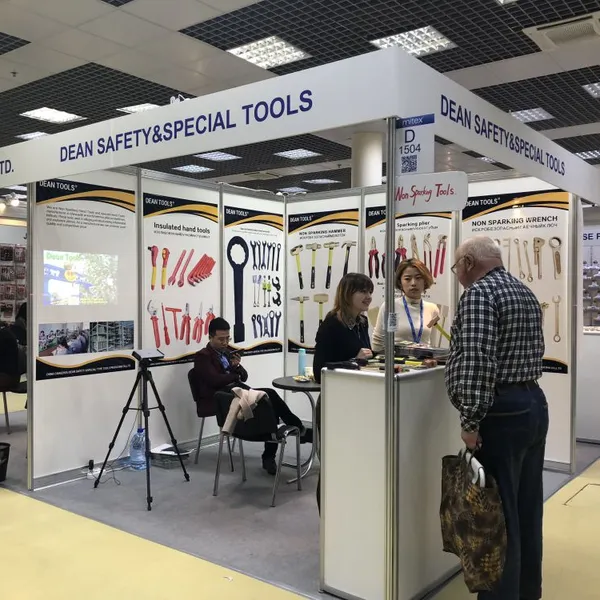 Read More
-
How to Choose Non-Sparking Hand Tools for Hazardous Areas
September 22, 2026Introduction: Why Tool Selection Matters in a Hazardous AreaIn oil and gas, petrochemical, chemical processing, mining, paint prod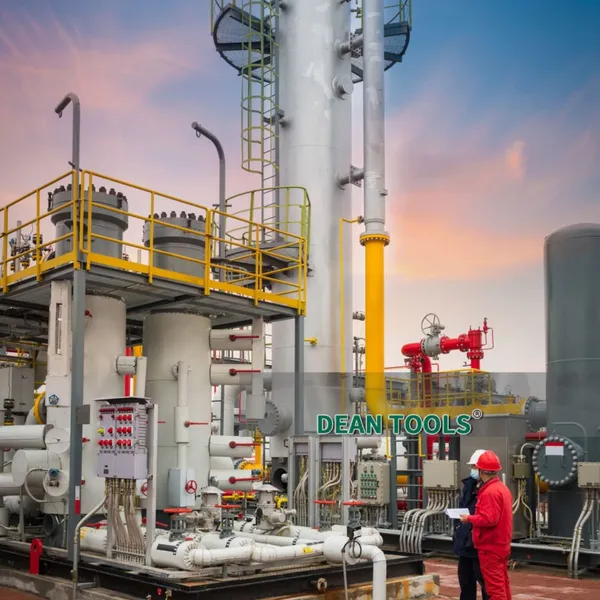 Read More

Contact Us
Recommended Products
-
 Aluminum Bronze Non-Sparking Tool Set Manufacturer,Custom Safety Tools, Copper Alloy Non-Sparking Tools Kit | Safe Hand ToolsUS$ 500MOQ: 10 Sets
-
Non Sparking Tools Brass Scoop , Spark Proof Tools,DEAN TOOLS 113PCS Beryllium Bronze Non-Sparking Tool TrolleyUS$ 89 - 159MOQ: 1 Set
-
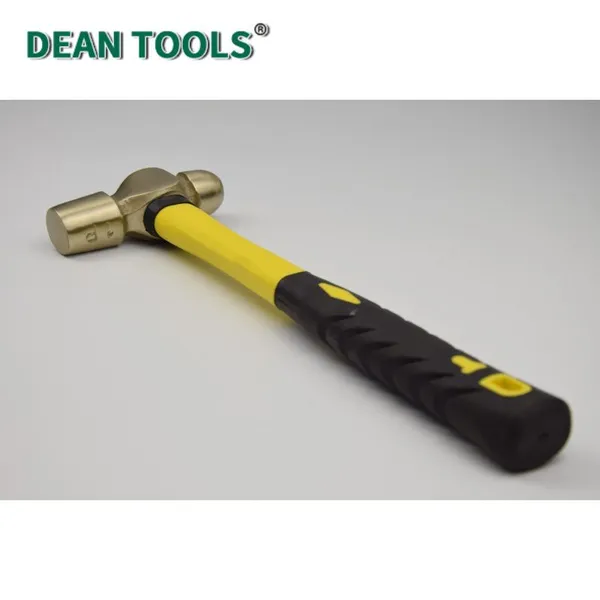
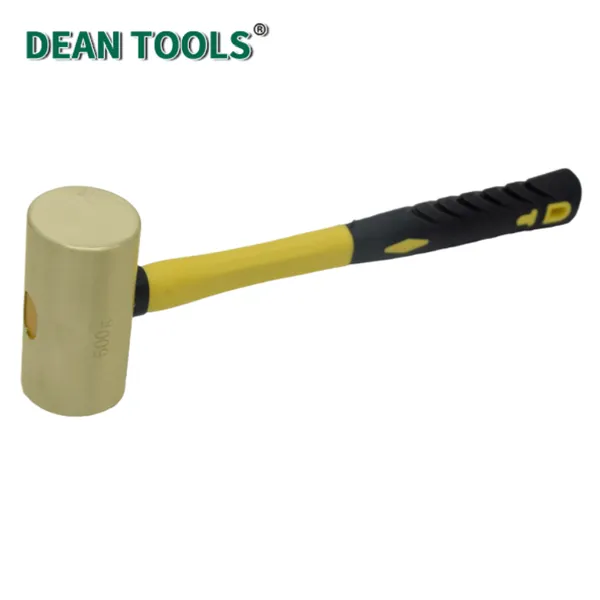
Non Sparking Ball Pein Copper Hammer\Industrial Hardware Tools\Explosion Proof Tools\Premium Copper AlloyUS$ 25.68MOQ: 10 Units
-
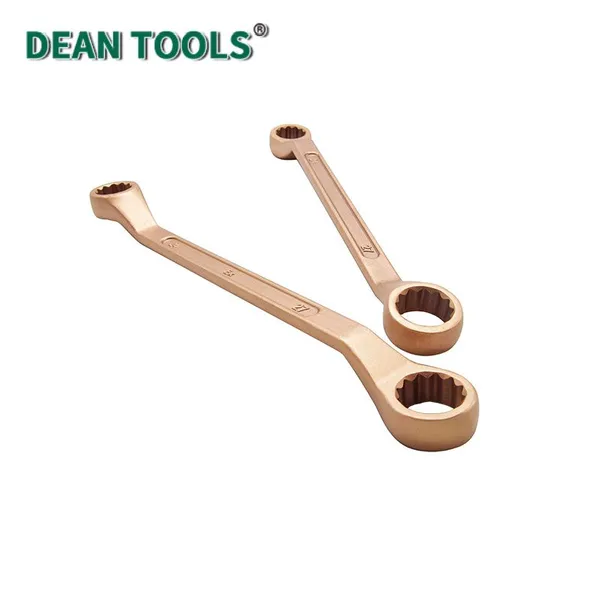
13-Piece Non-Sparking Double Box Offset Wrench Set, for Mining & Chemical Industry, Anti-Corrosion Coating,Size:5.5*7-30*32 mmUS$ 123MOQ: 10 Sets
-
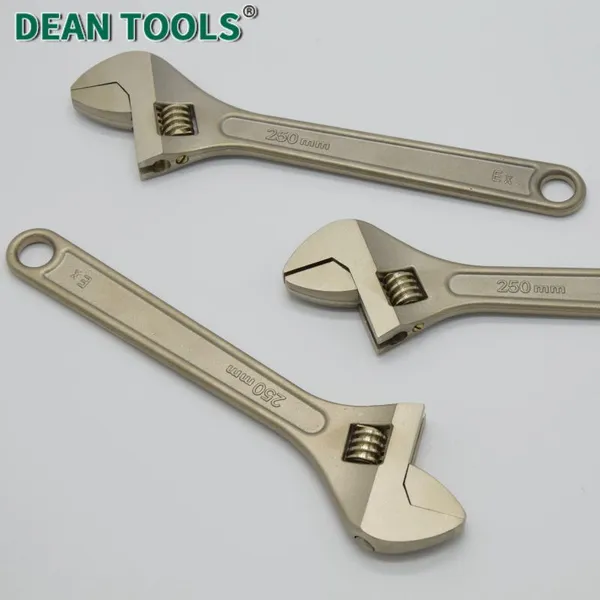
Non-Sparking Adjustable Wrench DEAN TOOLS Aluminum Bronze 6-Inch Natural Gas Pipeline Mining Operations SafetyUS$ 15MOQ: 10 Units
-
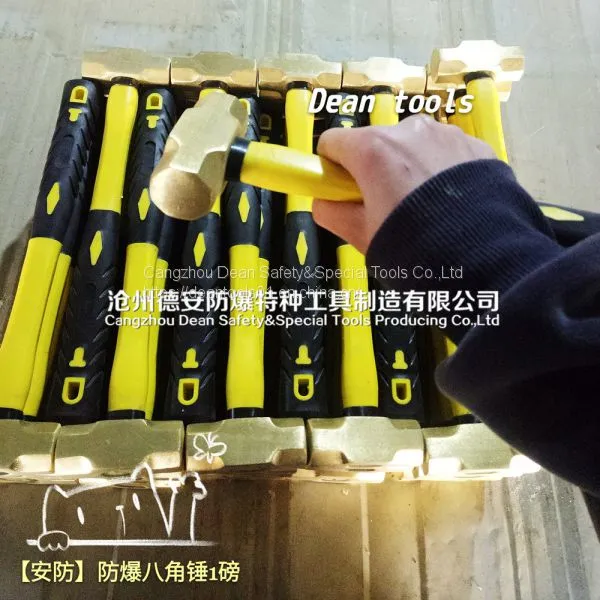
Non Sparking Beryllium Bronze Sledge Hammer With Fiber Handle 24P 18LBUS$ 39 - 520MOQ: 1 Piece
-
BERYLLIUM COPPER SCREWDRIVER SLOTTED FLAT NON SPARKING TOOLS 8*200MMUS$ 3.6 - 9MOQ: 1 Piece
-
Non Sparking Pipe Wrench Beryllium Bronze Stilson,tube Spanner American TypeUS$ 15 - 360MOQ: 10 Pieces
-
Sparkless be cu Joint Universal Wrench for Socket 1/2"*90mmUS$ 25 - 85MOQ: 1 Piece
-
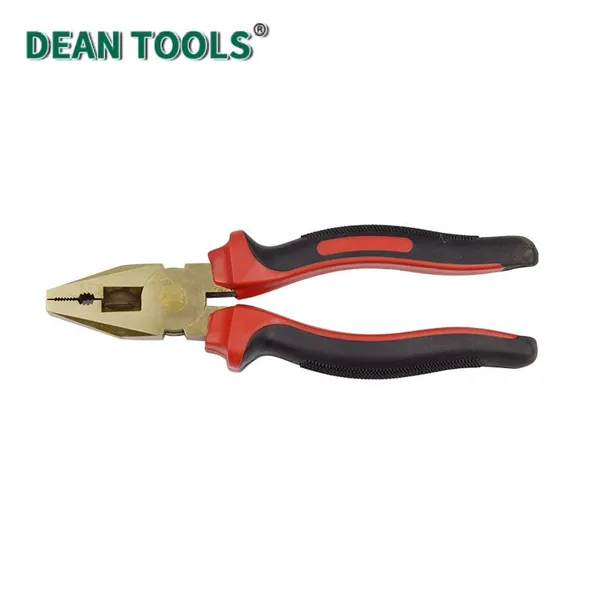
Non-Sparking Lineman Pliers for Chemical Plant, Aluminum Bronze, Anti-Corrosion, 5-Year WarrantyUS$ 18MOQ: 10 Units
-
Non-Sparking Copper Hammer Mallet 2LB, Beryllium Copper Alloy,350mm LengthUS$ 25MOQ: 10 Units
-
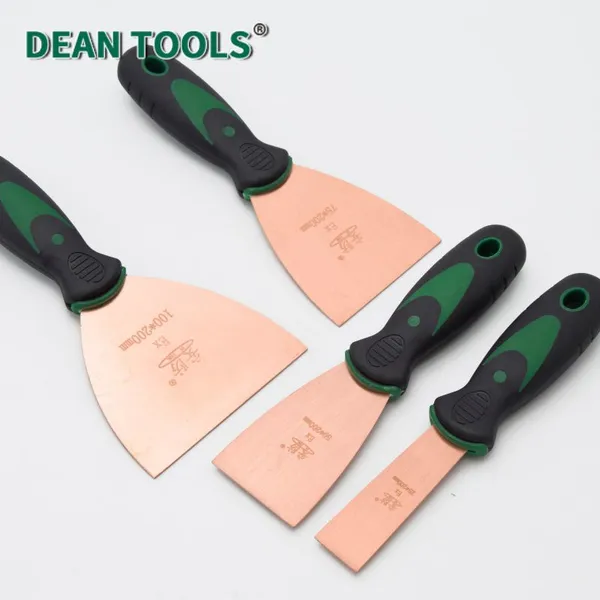
Aluminum Bronze Non-Sparking Putty Knife 200 mm Length With Plastic Handle for Hazardous EnvironmentUS$ 7.5MOQ: 10 Units
-
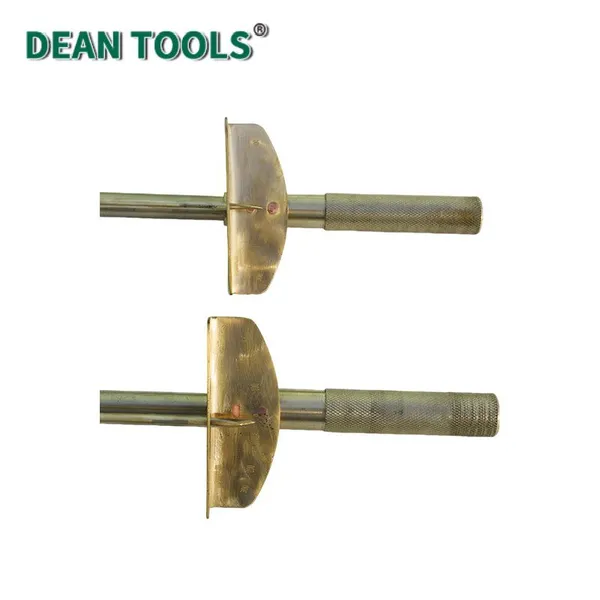
Non-Sparking Explosion-Proof Torque WrenchUS$ 51MOQ: 10 Units
-
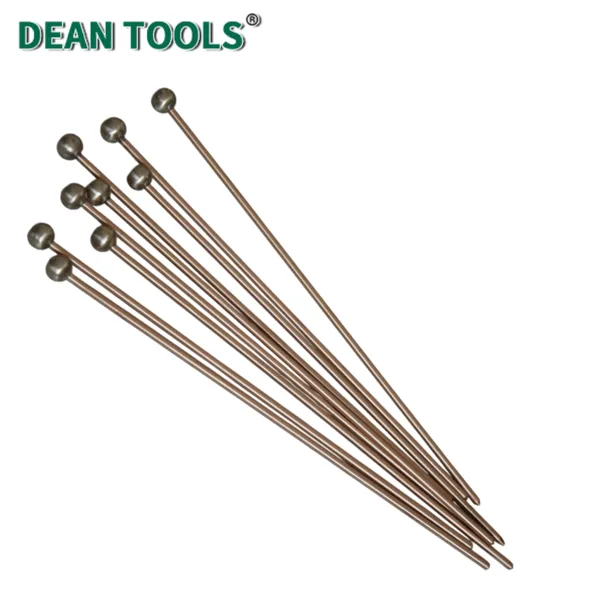
DEAN TOOLS Non-Sparking Ball Head Listening Rod, Copper Alloy Explosion Proof Listening Rod for Industrial Equipment MaintenanceUS$ 10MOQ: 10 Pieces
-
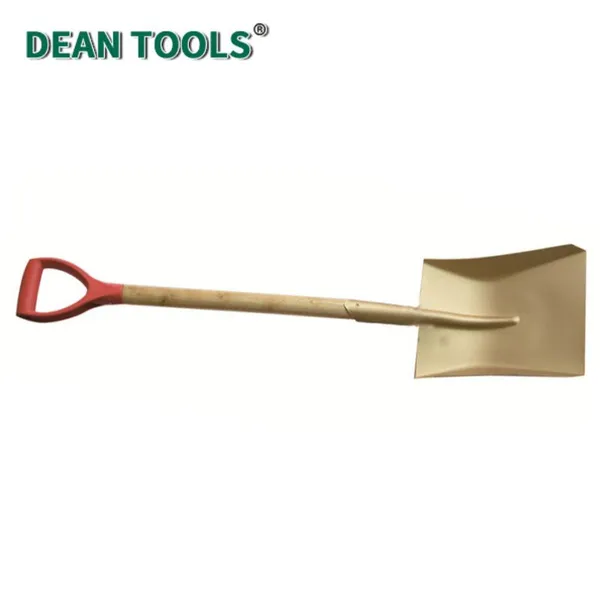
FLAT SPADE SHOVEL WOODEN HANDLE COPPER BERYLLIUM BRASS EDGE BLADEUS$ 20 - 25MOQ: 1 Piece
-
Non-sparking Flange Prop Beryllium Copper Alloy Anti-Corrosion Surface TreatmentUS$ 705.6MOQ: 10 Units
-
45# Steel 1" Dr Socket, 80mm Length,Size 22-36 Mm,45 Carbon Steel Socket ToolUS$ 5MOQ: 10 Units
-
Industrial 45# Steel Striking Open End Wrench, Industrial Maintenance Striking Wrench,Heavy Duty Hammering Open End WrenchUS$ 12MOQ: 10 Units
-
45# Steel Striking Box Wrench Size 17*150 Mm,Extra Wide Strike Zone Slogging Ring Spanner Corrosion Resistant Rust ResistantUS$ 7MOQ: 10 Units
-
45# Steel Hex Key Wrench, L-Shape,14mm, 90-Degree Bend, Satin Chrome Finish, 150mm Leg LengthUS$ 10MOQ: 10 Units