
 Business License

Aluminum Bronze vs. Beryllium Copper Non-Sparking Tools: Which Alloy Does Your Facility Need?
Complete Maintenance & Inspection Guide for Non-Sparking Tools: Ensuring ATEX & OSHA Compliance
In hazardous industrial facilities—from offshore oil platforms and chemical processing units to grain elevators and paint spray facilities—non-sparking hand tools represent the frontline defense against ignition hazards. However, possessing certified non-sparking tools is only half the battle. Over time, improper handling, lack of inspection, and incorrect sharpening can severely compromise their spark-resistant metallurgy.
Under regulations such as OSHA Standard 1910.120, OSHA 1910 Subpart P, and European ATEX Workplace Directive 1999/92/EC (ATEX 153), employers are required to ensure that safety tools are continuously inspected, properly maintained, and stored free of hazardous contamination.
1. Why Non-Sparking Tool Maintenance Differs from Conventional Steel Tools
· Lower Yield Hardness: Non-sparking alloys (25–40 HRC) are naturally softer than hardened steel (50–60 HRC). They deform faster under severe misuse or over-torquing.
· Ferrous Contamination Vulnerability (CRITICAL): If a bronze hammer strikes a rusty steel surface or is ground with a steel-contaminated abrasive disc, microscopic steel particles embed into the bronze, producing incendiary sparks during subsequent strikes.
· Corrosive Chemical Sensitivity: Exposure to strong oxidizers or acidic vapors requires dedicated neutral cleaning routines to prevent surface degradation.
2. Shift-by-Shift Inspection Checklist
· [ ] 1. Striking Face Check (Hammers, Chisels, Sledges): Are striking faces flat and free from severe beveling? Is there visible 'mushrooming' along the perimeter?
· [ ] 2. Jaw & Socket Alignment (Wrenches, Sockets, Pliers): Are wrench jaws parallel without signs of widening or cracking? Are socket drive squares and internal hex points sharp without rounding?
· [ ] 3. Handle & Fastener Integrity: Are fiberglass/wooden handles crack-free and firmly wedged? Are insulation grips clean and free from oil film?
· [ ] 4. Surface Contamination Inspection: Is the tool surface free of embedded metal shavings, grit, or heavy chemical scale?
· [ ] 5. Certification & Sizing Markings: Is the manufacturer mark, alloy designation (Al-Cu / Be-Cu), and size stamp clearly legible?
3. How to Safely Redress and Resharpen Non-Sparking Tools
· 1. Use Dedicated Abrasives: Designate specific aluminum oxide or silicon carbide grinding discs reserved exclusively for non-ferrous bronze/copper alloys. Mark these discs clearly: 'NON-FERROUS / BRONZE ONLY'.
· 2. Control Heat Buildup: Grind at low speeds with light, intermittent contact. Excessive heat annealing softens the alloy. Quench periodically in clean water.
· 3. Chamfer Mushroomed Edges: Carefully grind away all mushroomed crown edges at a 45-degree bevel until the original striking perimeter is restored.
· 4. Resharpening Chisels & Scrapers: Maintain the original factory bevel angle (typically 60° for heavy chisels; 25°–30° for scraping blades). Avoid overly thin edges.
· 5. Post-Grinding Cleaning: Wipe down the redressed tool with a clean solvent cloth to remove all grinding residue before returning it to the tool crib.
4. Proper Storage & Tool Crib Management
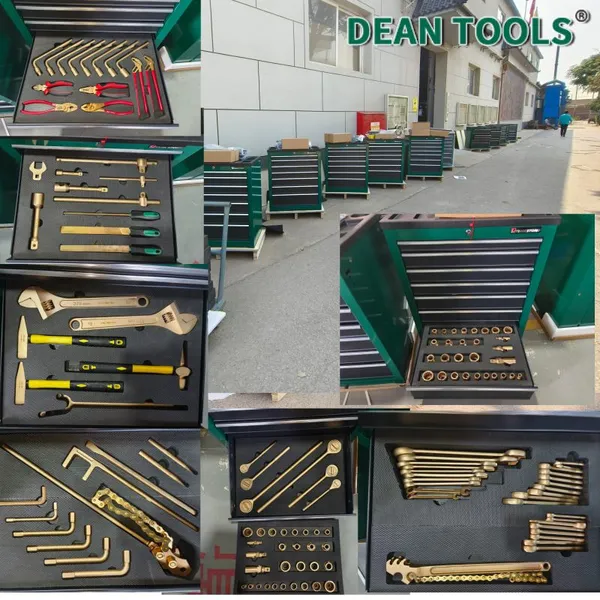
· Dedicated Compartments: Never store non-sparking bronze tools loose in the same drawer alongside carbon steel files, drill bits, or steel wrenches.
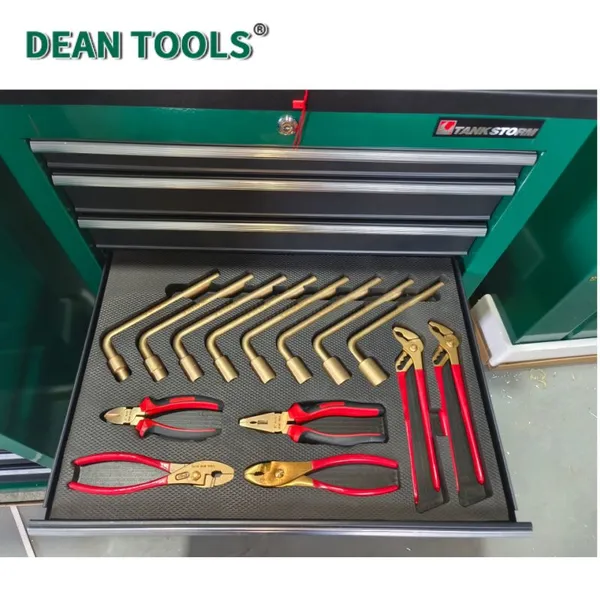
· Custom Shadow Foam Inserts: Utilize dual-color high-density foam tool trays (shadow boards) inside lockable tool chests for instant visual accountability and impact protection.
· Dry & Ventilated Environment: Store tools in clean, moisture-controlled environments to minimize surface oxidation.
5. Five Common Mistakes to Avoid with Non-Sparking Tools
Dangerous Practice | Why It Is Hazardous | Correct Protocol |
Using 'Cheater' Pipe Extensions | Exceeds alloy yield torque, bending jaws or shearing drive ratchets. | Use a larger wrench size or an approved non-sparking torque multiplier. |
Using Chisels as Pry Bars | Lateral bending forces can fracture cast bronze shanks. | Use dedicated heavy-duty non-sparking pinch bars or wedge tools. |
Grinding on General Workshop Benches | Steel dust and ferrous filings settle onto the tool surface. | Conduct all redressing in an isolated non-ferrous grinding area. |
Ignoring Mushroomed Striking Heads | Flared metal shards can break off at high velocity, creating spark risk. | Redress striking crowns immediately upon detecting edge flaring > 1.5 mm. |
Cleaning with Strong Acid Baths | Excessive acid pickling degrades surface alloy composition. | Clean using neutral degreasers and dry microfiber wiping towels. |
6. Regulatory Summary & Safety Audits
· European Union: ATEX Directive 2014/34/EU (Equipment) & 1999/92/EC (Workplace Safety)
· United States: OSHA 29 CFR 1910.120 & 1910.242
· Fire Safety: NFPA 70 / NEC Hazardous Classified Locations
· Quality Management: ISO 9001 Quality & Material Traceability Standards
Recently Posted
-
Complete Maintenance & Inspection Guide for Non-Sparking Tools: Ensuring ATEX & OSHA Compliance
October 4, 2026In hazardous industrial facilities—from offshore oil platforms and chemical processing units to grain elevators and paint spray fa Read More
 -
What Buyers Should Confirm with the Manufacturer
September 22, 2026IntroductionIndustrial buyers often search for non-sparking tools, explosion-proof hand tools, ATEX equipment, and IECEx equipment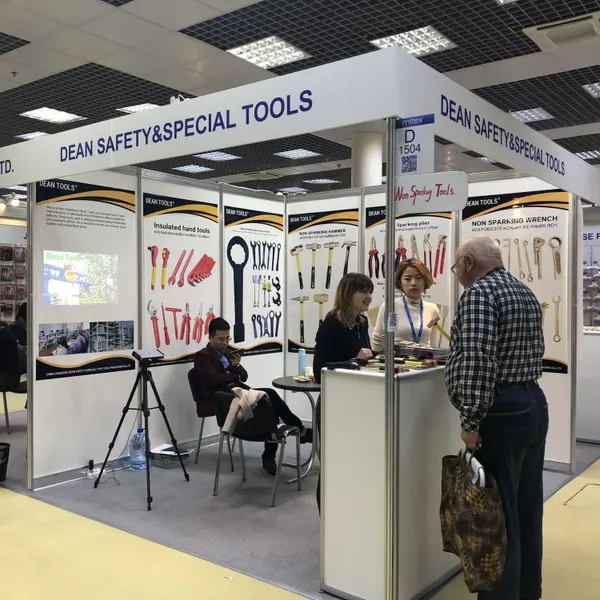 Read More
 -
How to Choose Non-Sparking Hand Tools for Hazardous Areas
September 22, 2026Introduction: Why Tool Selection Matters in a Hazardous AreaIn oil and gas, petrochemical, chemical processing, mining, paint prod Read More
 -
Special Steel Striking Wrenches for Heavy-Duty Industrial Maintenance
September 20, 2026Meta Description: Learn how to select and use special steel striking wrenches for heavy-duty maintenance. Compare wrench prof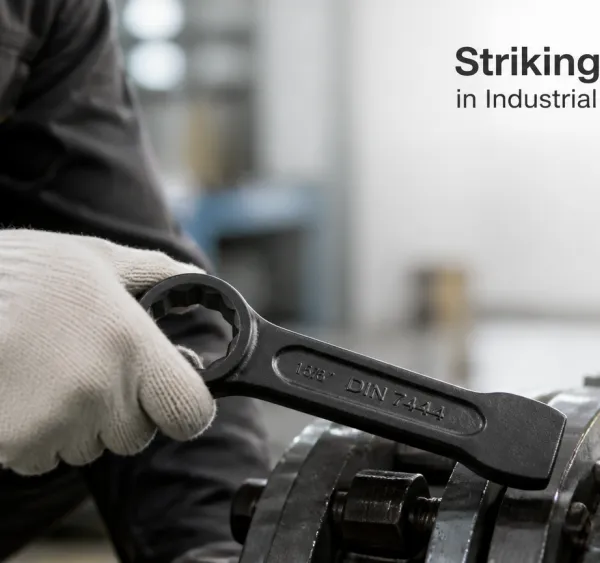 Read More

Contact Us
Recommended Products
-
 Aluminum Bronze Non-Sparking Tool Set Manufacturer,Custom Safety Tools, Copper Alloy Non-Sparking Tools Kit | Safe Hand ToolsUS$ 500MOQ: 10 Sets
 -
Non Sparking Tools Brass Scoop , Spark Proof Tools,DEAN TOOLS 113PCS Beryllium Bronze Non-Sparking Tool TrolleyUS$ 89 - 159MOQ: 1 Set
-
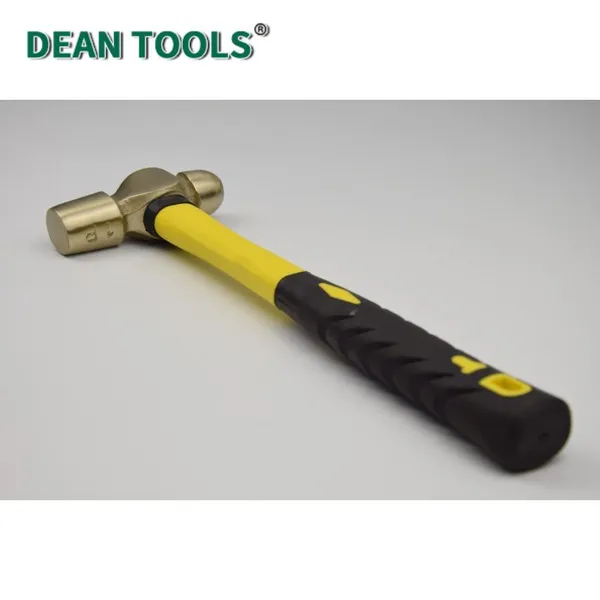
Non Sparking Ball Pein Copper Hammer\Industrial Hardware Tools\Explosion Proof Tools\Premium Copper AlloyUS$ 25.68MOQ: 10 Units
-
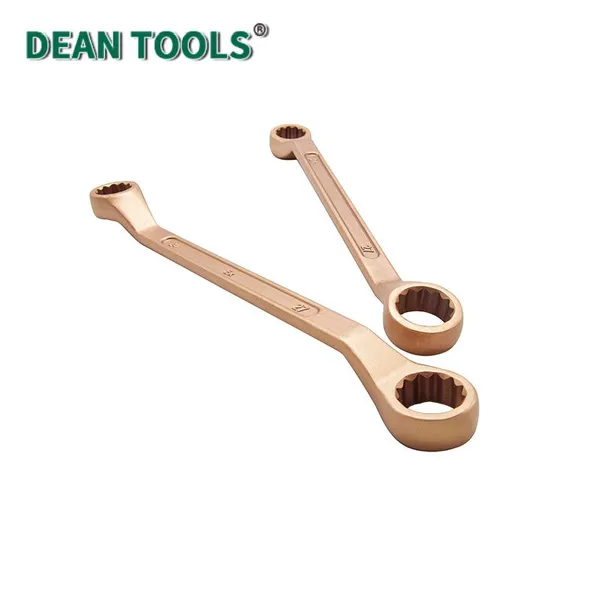
13-Piece Non-Sparking Double Box Offset Wrench Set, for Mining & Chemical Industry, Anti-Corrosion Coating,Size:5.5*7-30*32 mmUS$ 123MOQ: 10 Sets
-
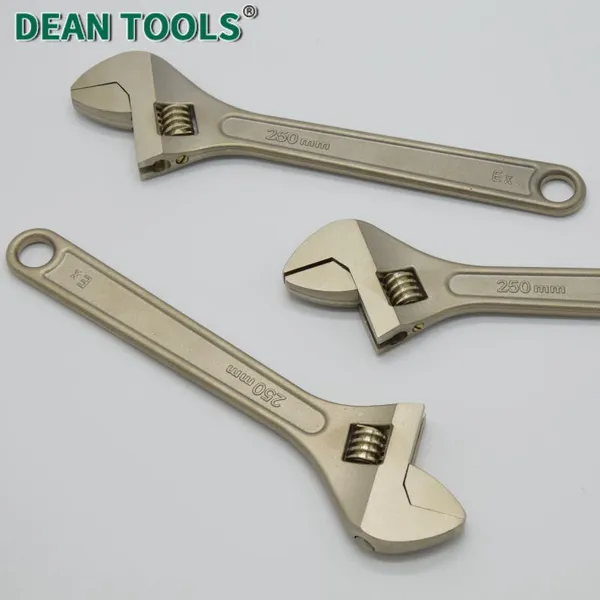
Non-Sparking Adjustable Wrench DEAN TOOLS Aluminum Bronze 6-Inch Natural Gas Pipeline Mining Operations SafetyUS$ 15MOQ: 10 Units
-
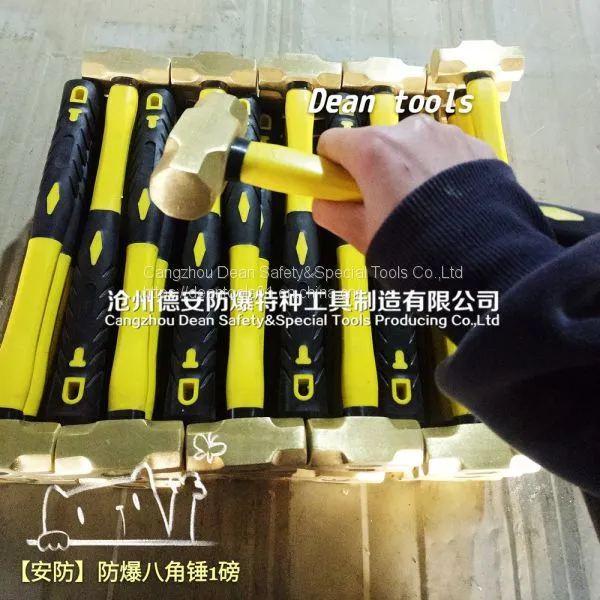
Non Sparking Beryllium Bronze Sledge Hammer With Fiber Handle 24P 18LBUS$ 39 - 520MOQ: 1 Piece
-
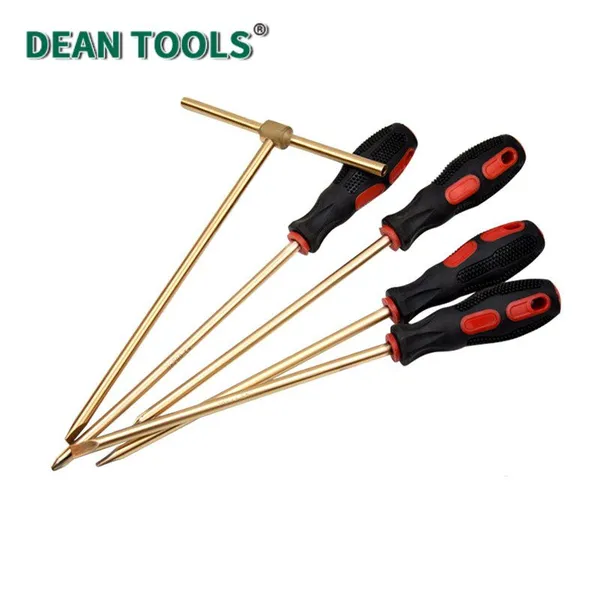
BERYLLIUM COPPER SCREWDRIVER SLOTTED FLAT NON SPARKING TOOLS 8*200MMUS$ 3.6 - 9MOQ: 1 Piece
-
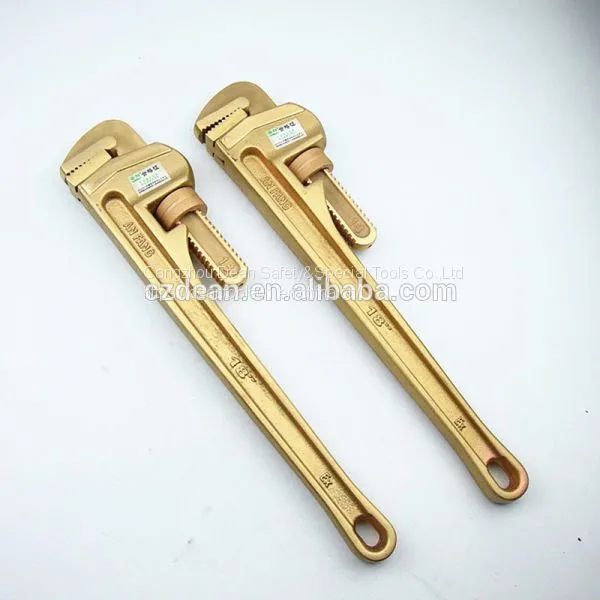
Non Sparking Pipe Wrench Beryllium Bronze Stilson,tube Spanner American TypeUS$ 15 - 360MOQ: 10 Pieces
-
Sparkless be cu Joint Universal Wrench for Socket 1/2"*90mmUS$ 25 - 85MOQ: 1 Piece
-
Non-Sparking Lineman Pliers for Chemical Plant, Aluminum Bronze, Anti-Corrosion, 5-Year WarrantyUS$ 18MOQ: 10 Units
-
Non-Sparking Copper Hammer Mallet 2LB, Beryllium Copper Alloy,350mm LengthUS$ 25MOQ: 10 Units
-
Aluminum Bronze Non-Sparking Putty Knife 200 mm Length With Plastic Handle for Hazardous EnvironmentUS$ 7.5MOQ: 10 Units
-
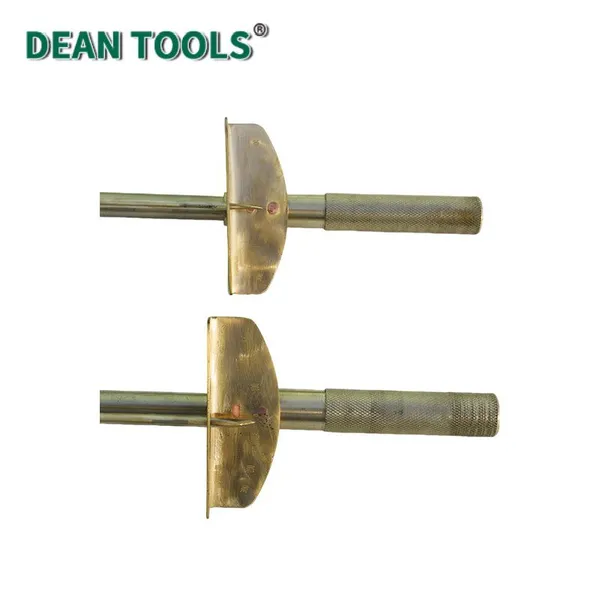
Non-Sparking Explosion-Proof Torque WrenchUS$ 51MOQ: 10 Units
-
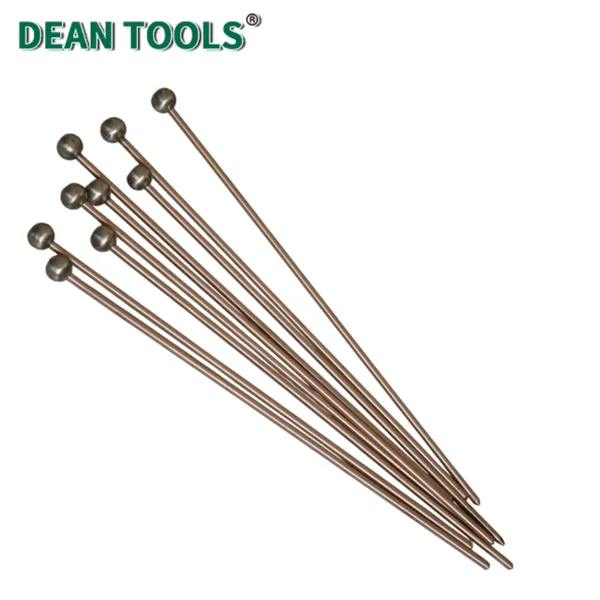
DEAN TOOLS Non-Sparking Ball Head Listening Rod, Copper Alloy Explosion Proof Listening Rod for Industrial Equipment MaintenanceUS$ 10MOQ: 10 Pieces
-
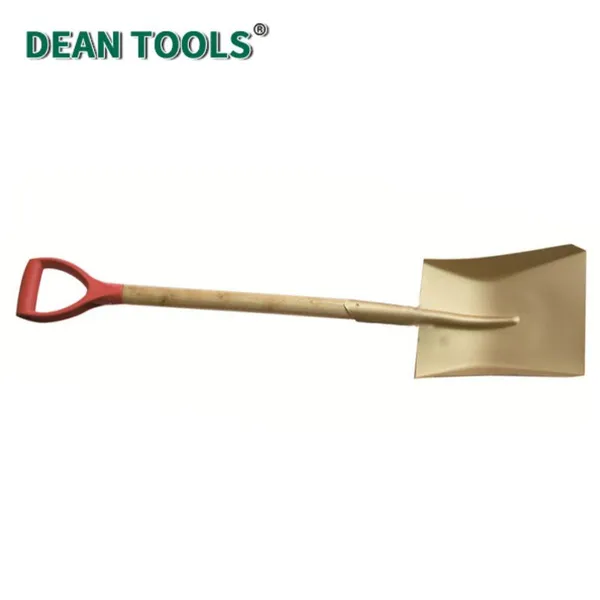
FLAT SPADE SHOVEL WOODEN HANDLE COPPER BERYLLIUM BRASS EDGE BLADEUS$ 20 - 25MOQ: 1 Piece
-
Non-sparking Flange Prop Beryllium Copper Alloy Anti-Corrosion Surface TreatmentUS$ 705.6MOQ: 10 Units
-
45# Steel 1" Dr Socket, 80mm Length,Size 22-36 Mm,45 Carbon Steel Socket ToolUS$ 5MOQ: 10 Units
-
Industrial 45# Steel Striking Open End Wrench, Industrial Maintenance Striking Wrench,Heavy Duty Hammering Open End WrenchUS$ 12MOQ: 10 Units
-
45# Steel Striking Box Wrench Size 17*150 Mm,Extra Wide Strike Zone Slogging Ring Spanner Corrosion Resistant Rust ResistantUS$ 7MOQ: 10 Units
-
45# Steel Hex Key Wrench, L-Shape,14mm, 90-Degree Bend, Satin Chrome Finish, 150mm Leg LengthUS$ 10MOQ: 10 Units